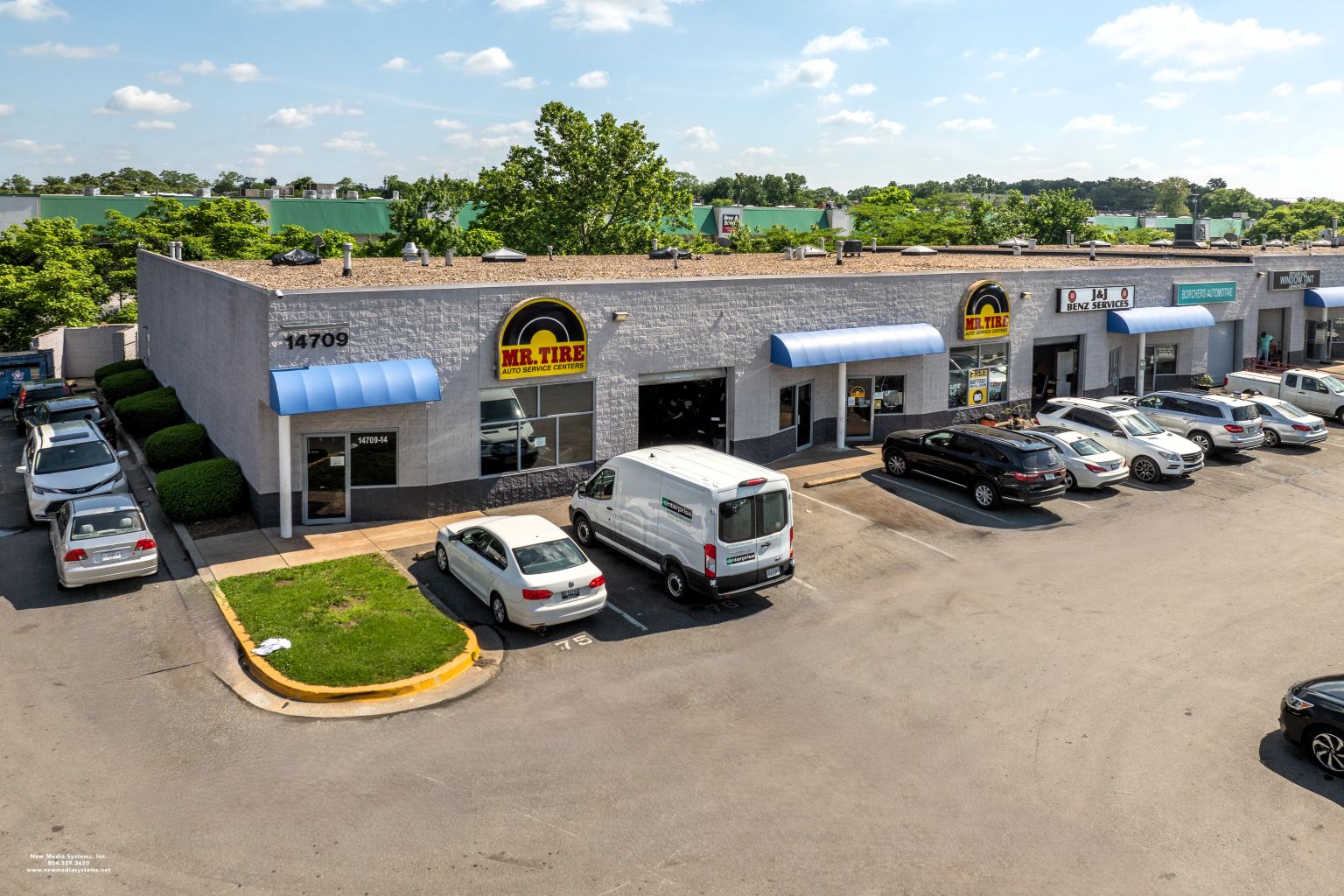
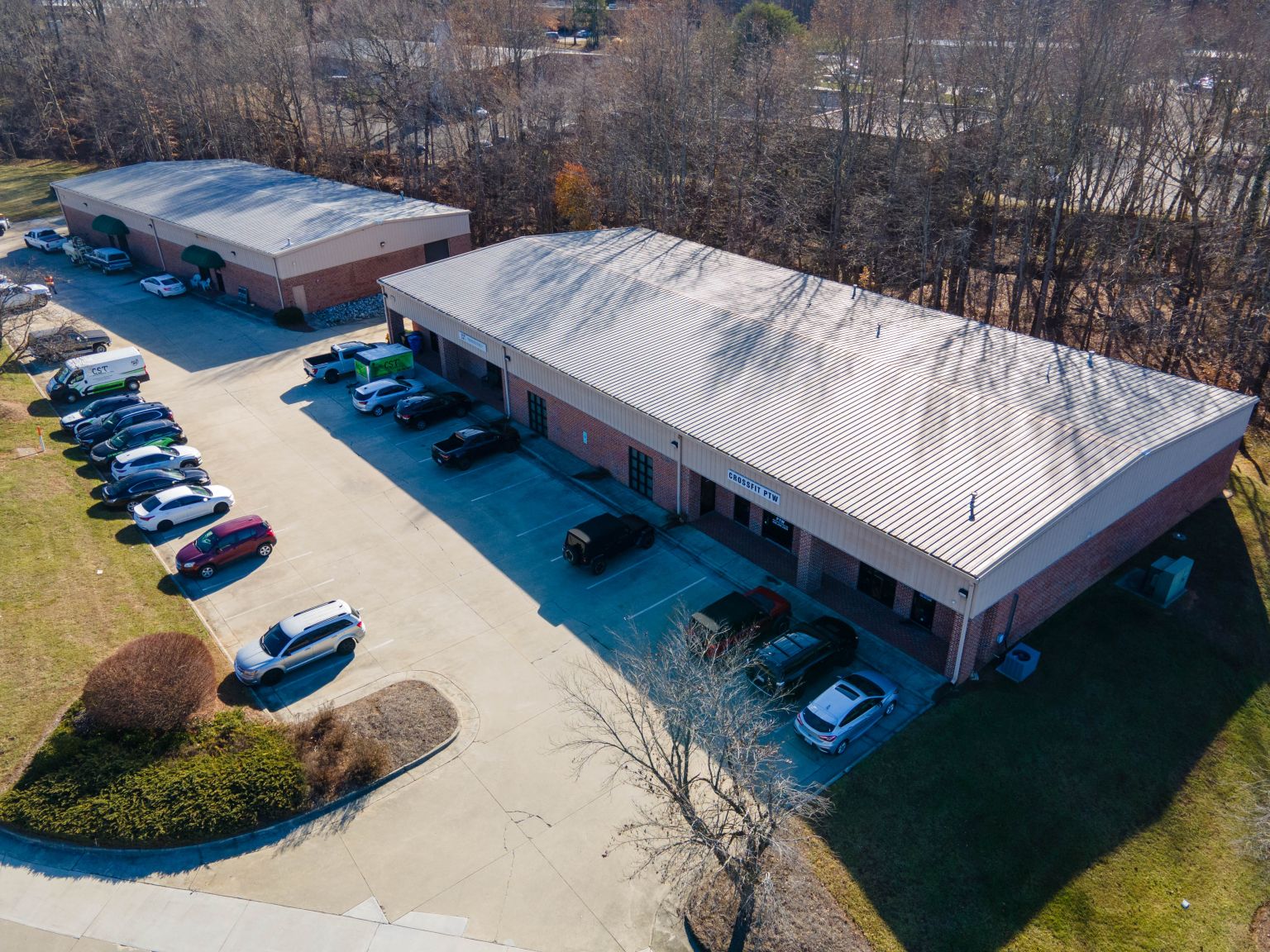
As demand patterns evolve and traditional commercial real estate sectors face headwinds, investors are re-evaluating where and how to deploy capital. At Lucern Capital Partners, our focus has been on acquiring light industrial or small-bay warehouses in East Coast markets with compelling demographics and trends, as this is where we’re finding both resilience and upside.
Our conviction in high-growth secondary markets is grounded in data and years of experience operating in the markets where we invest. Some cities in these markets are seeing rapid in-migration, diversified job growth, and a surge in entrepreneurial activity. “We’re focused on where the economy is going, not where it’s been,” says Frank Forte, Lucern’s Chief Investment Officer. “High-growth secondary markets offer a rare combination of strong fundamentals and untapped opportunity, especially in the industrial segment.”
Specifically, we have focused on small-bay industrial assets—flexible-use warehouses typically under 100,000 square feet, which can be divided into smaller units to appeal to a wide range of tenants. These properties are the backbone of the last-mile economy, used by tradespeople, logistics companies, service providers, and auto shops. And demand for them is only growing.
“We see small-bay industrial as one of the most durable and undersupplied asset classes in commercial real estate,” says Forte. “It supports the real economy, businesses that need a physical footprint close to their customers.”
That proximity is key. As businesses move closer to their customers, they’re looking for space in growing communities with favorable characteristics. Our preferred markets offer access to major highways and expanding populations at a lower cost of doing business compared to gateway cities. This is especially relevant for small and mid-sized businesses.
But what makes small-bay industrial so compelling is also what makes it hard to execute. Fragmented ownership, operational intensity, and a limited development pipeline add to deal and operational complexity. “New supply is constrained because it’s not economical for most developers to build these properties today,” Forte explains. “That dynamic makes existing assets more valuable over time.”
Our strategy centers on aggregating underperforming or mismanaged assets, implementing hands-on operational improvements, and creating institutional-quality portfolios in submarkets that are often overlooked.
Take, for example, a recent acquisition in the Southeast: a five-building industrial park with over two dozen tenants, ranging from HVAC contractors to specialty food distributors. “We saw an opportunity to clean up operations, modernize units, and improve the tenant experience,” says Forte. “Within 12 months, we increased occupancy, raised rents, and added long-term value while maintaining affordability for local businesses.”
This blend of stability and upside is rare in today’s market. While office and retail sectors struggle with secular changes and high capital expenditures, small-bay industrial offers a more straightforward path to cash flow. Leases are typically shorter, and tenant demand is often stickier.
“There’s a misconception that industrial real estate is all big-box distribution centers,” Forte notes. “But small-bay serves a completely different segment, one that’s more diversified, more locally rooted, and arguably more resilient in times of economic uncertainty.”
Of course, no market is without risk. Secondary cities can be vulnerable to overreliance on a single employer or industry. That’s why we target metro areas with broad economic bases and sustainable growth drivers. “We look for diversified demand, not just population growth, but infrastructure investment, university presence, health care, and logistics hubs,” Forte explains.
As interest in industrial real estate grows, competition is rising. But we believe our focus and operational model provide a durable edge. Rather than chase institutional assets at compressed cap rates, we seek out overlooked properties where active management and long-term vision can create value. “This isn’t a spray-and-pray strategy,” Forte adds. “It’s targeted, it’s repeatable, and it’s built for the current environment.”
Looking ahead, we plan to continue expanding our footprint in key secondary markets, building a resilient portfolio of small-bay assets that align with demographic and economic tailwinds. “We’re not trying to time the market,” Forte says. “We’re positioning ourselves in front of long-term demand. And right now, that means small-bay industrial in the markets where America is growing fastest.”