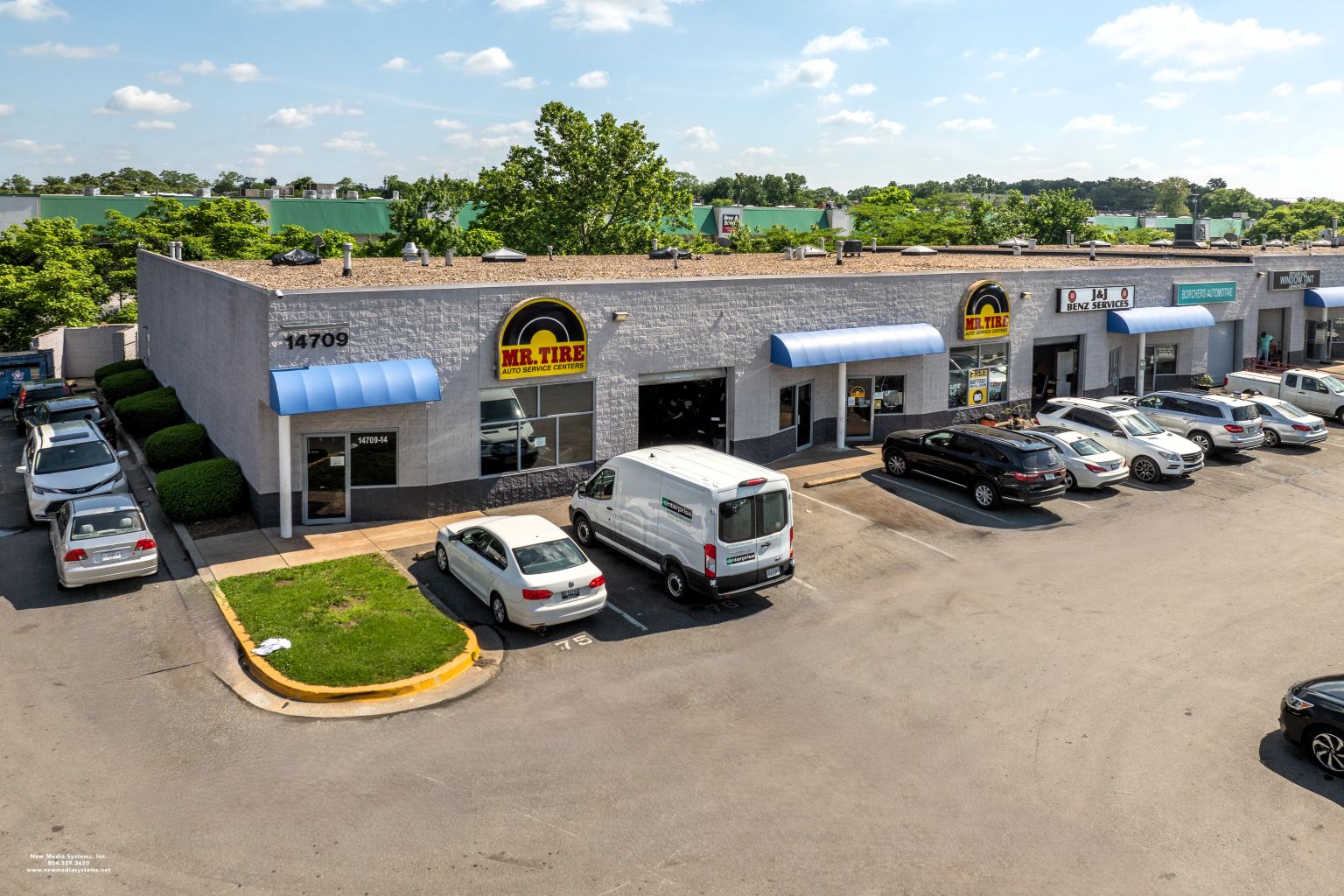
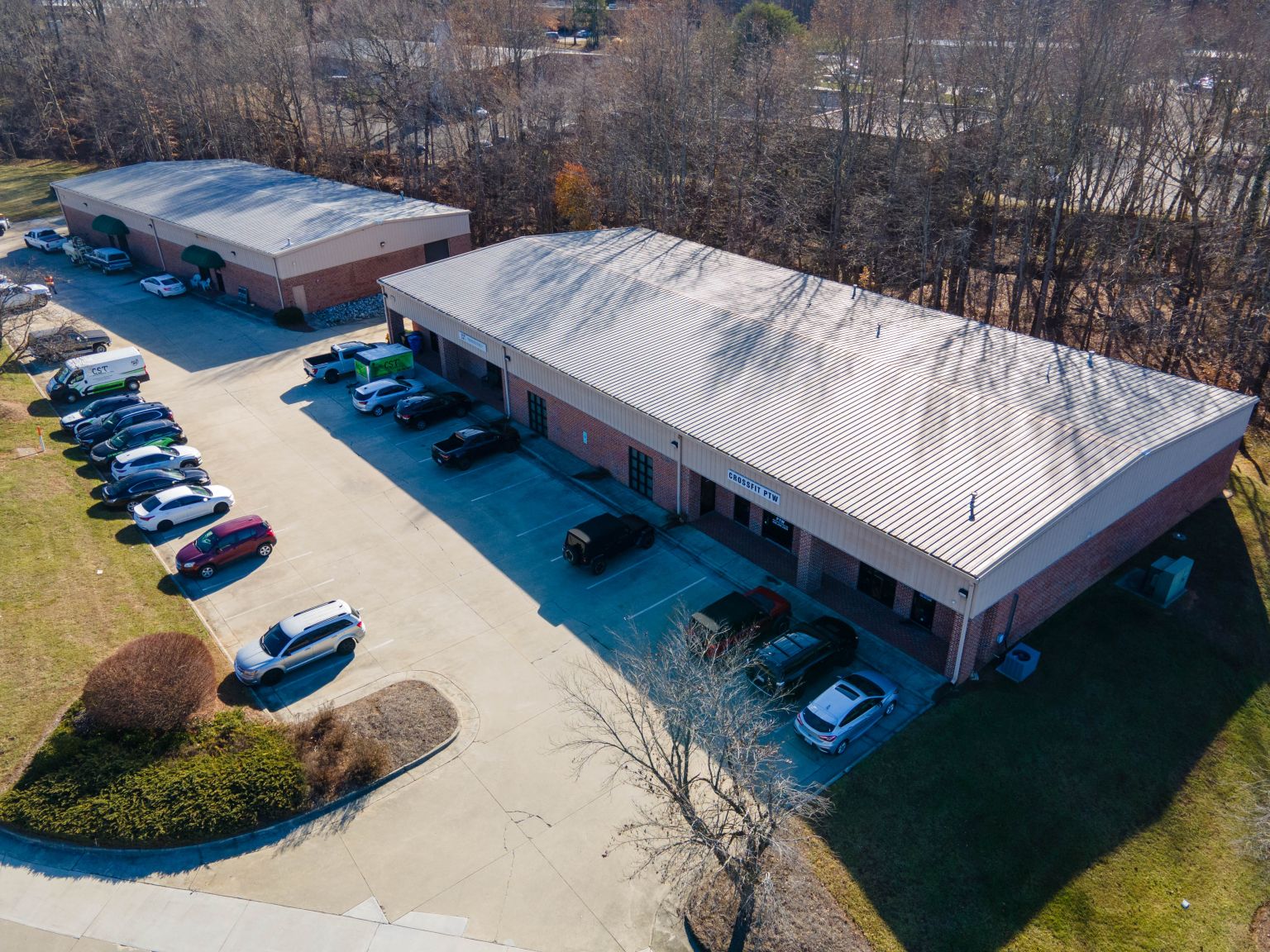
Small-bay industrial properties have become one of the most attractive asset classes in today’s commercial real estate market. These versatile spaces, typically ranging from 2,000 to 20,000 square feet, serve a wide range of tenants in essential, growth-oriented industries. From logistics providers and light manufacturers to contractors and auto repair businesses, the tenant base is diverse and deeply rooted in the local economy.
But what truly drives consistent income and long-term value in this sector is how leases are structured and the quality of the tenants occupying the space. At Lucern Capital Partners, we believe disciplined lease structuring and strategic tenant selection are foundational to creating resilient, inflation-hedged cash flow and long-term appreciation.
Small-Bay Lease Structures
Small-bay industrial leases often differ from big-box warehouses. While large-scale distribution centers might warrant long-term, institutional leases, small-bay tenants typically sign three to five-year agreements with incremental rent escalations.
There are risks and opportunities with this structure, including:
- Flexibility: Shorter leases allow owners to adjust rents more frequently, capturing market growth and inflation. This flexibility often translates into meaningful rent gains over time. Well-structured leases with annual escalations ensure income keeps pace with market fundamentals while keeping tenants happy.
- NNN structures: Triple-net (NNN) leases are common in the small-bay segment. These structures pass through expenses such as taxes, insurance, and maintenance costs to tenants, stabilizing cash flow. The key is ensuring tenants are aware of the costs and, more importantly, the timing so that they can plan accordingly.
- Resilience: Smaller spaces tend to be leased to a variety of tenants. That tenant diversity, paired with shorter leases, lowers vacancy risk. When managed proactively, this leasing cadence provides a steady opportunity to optimize income over time.
Selecting the Right Tenants
Just as important as the lease itself is who’s on the other side of it. In small-bay industrial, tenant selection is both an art and a science, requiring a balance of credit analysis and local market insight.
- Essential, Service-Based Businesses: At Lucern, we focus on tenants who provide every day, non-discretionary services, like plumbers, HVAC companies, delivery operators, food distributors, and car garages. These are the businesses that keep communities and supply chains running. They tend to stay close to their customer base, value accessibility, and invest in their space. Traits that also support long-term occupancy.
- Understanding Credit Beyond the Balance Sheet: Many small-bay tenants are privately owned and may not have audited financial statements. In these cases, we look deeper to evaluate tenure in business, ownership structure, reputation, and local relationships. Often, these factors tell a more insightful story about a tenant’s stability and growth prospects than raw financials alone.
- Alignment of Space and Business Model: The most successful leases pair the right tenant with the right space configuration. For example, clear ceiling heights, drive-in doors, office buildouts, and loading access all matter to logistics, distribution, or services businesses. Matching these operational needs to the tenant’s business model increases retention and reduces turnover costs.
Why it Matters
For small-bay asset owners, the combination of disciplined lease structures and intentional tenant selection creates a continuous cycle:
- Durable income: Predictable cash flow supported by essential, diversified tenants.
- Growth potential: Shorter leases that capture rent growth and inflation.
- Downside protection: Broad tenant mix and resilient local demand.
- Exit flexibility: Institutional-quality income streams are attractive to a wide buyer base.
With the right tenants and smart lease structures, small-bay properties can deliver the stability and growth that investors seek in all market environments.
At Lucern Capital Partners, we take a hands-on, data-informed approach to managing every aspect of the small-bay industrial investment lifecycle. In this asset class, long-term success is built one lease and one tenant at a time.