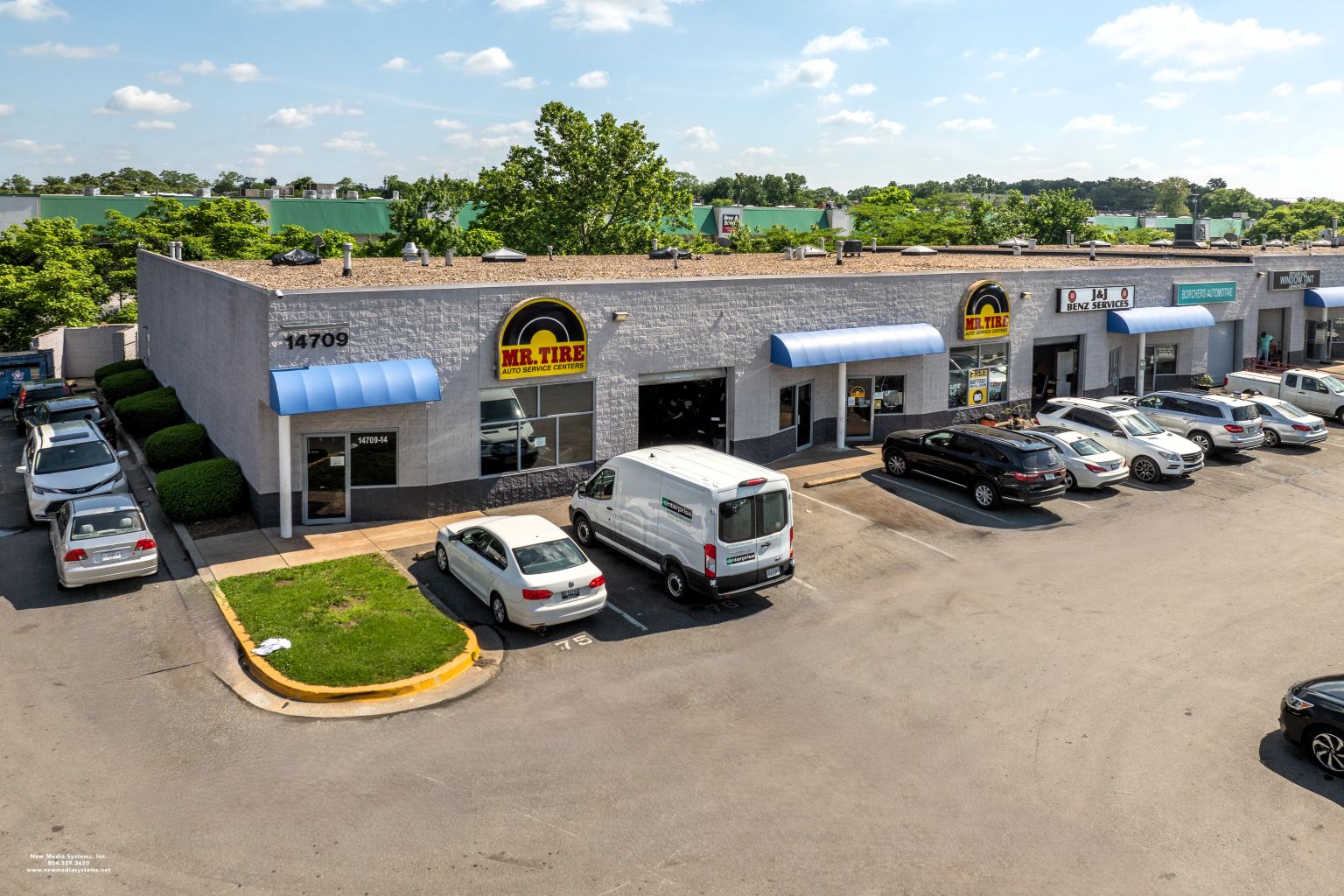
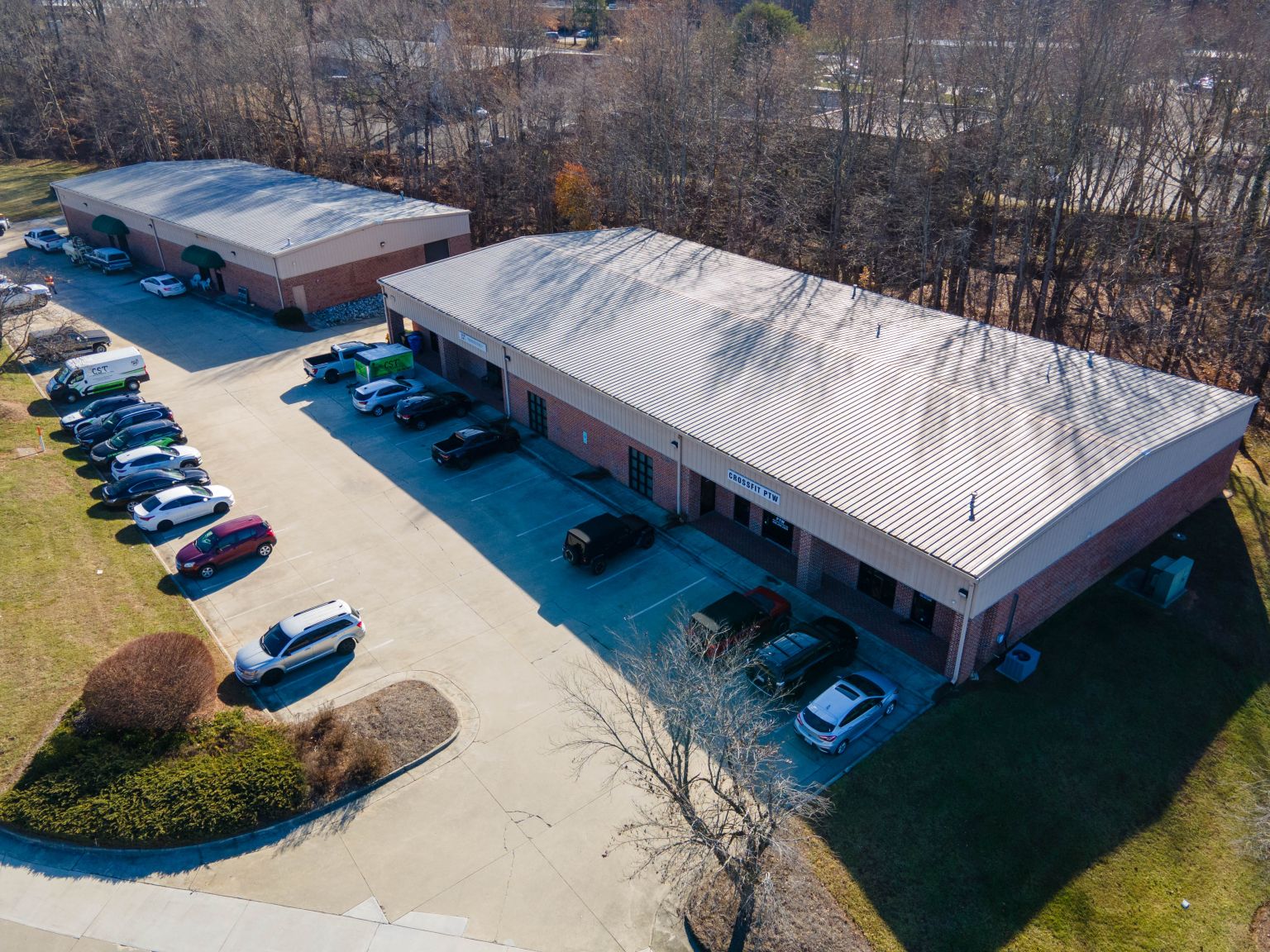
In last month’s article, we explored the importance of disciplined lease structures and thoughtful tenant selection in multi-tenant industrial assets, especially as owner/operators add retail tenants. While these tenants offer the potential for diversified income streams and overall tenant stability, they also introduce unique underwriting and operational considerations that differ from traditional industrial assets.
This month, we’ll be exploring differences in lease terms for retail tenants vs traditional industrial tenants. While the physical product remains industrial, the tenant’s operational profile more closely mirrors retail needs and expectations, altering management and operational considerations.
1 | Use Clauses Become More Specific
Traditional industrial tenants generally require broad flexibility for storage, light manufacturing, and distribution. Retail tenants, by contrast, often need tightly defined permitted uses to protect brand standards, customer experience, and merchandise display.
Common distinctions include:
- Customer-facing operations: Retail tenants may require explicit allowance for walk-in traffic, signage, and point-of-sale activities.
- Restrictions on neighboring uses: To preserve brand consistency, retail operators may request limitations on adjacent tenants that create noise, odors, or heavy industrial activity.
- Parking allocations: Retail tenants often request dedicated parking to accommodate customers.
2 | Tenant Improvements
Industrial leases often include minimal tenant improvements beyond functional necessities. Retail tenants, however, look for higher-end buildouts, such as upgraded HVAC systems, polished concrete, additional lighting, or storefront enhancements.
As a result:
- Tenant Improvement (TI) allowances trend higher than standard industrial averages.
- Longer lease terms may be negotiated to justify the upfront capital outlay.
- More detailed work letters are required to define responsibilities, timelines, and delivery conditions.
3 | Operating Expenses and CAM Fees Require Clearer Definitions
Retail operations often generate more foot traffic, more trash, and different wear-and-tear patterns than typical industrial uses. Common area maintenance (CAM) obligations in properties with traditional industrial tenants are usually straightforward, but retail tenants may negotiate for:
- Limits on controllable expenses
- Exclusions for costs tied to heavy industrial neighbors
- Dedicated refuse areas or shared-service expectations
Clarity around maintenance obligations, especially for parking lots, lighting, and common storefront areas, becomes more important to avoid disputes later.
4 | Hours of Operation and Access Considerations
Industrial users seldom require late-night public access. Retail tenants, however, may need extended operating hours or weekend customer entry.
This can affect:
- Security obligations
- Lighting requirements
- Noise or traffic considerations if neighboring units maintain purely industrial operations
5 | Signage Rights Become a Negotiation Point
Visibility is important to a retail establishment’s success. In a multi-tenant industrial property where facades are typically uniform and signage may be limited, retail tenants are more likely to request:
- Prominent façade signage
- Directory or monument sign placement
- Window graphics or branded storefront improvements
6 | Insurance and Liability Considerations
Retail tenants introduce customer-related liability risks that are not common in industrial use. This may cause differences in:
- Insurance minimums
- Indemnity language
- Responsibility for injuries occurring in customer-accessible areas
Landlords should ensure coverage requirements adequately address increased public exposure.
7: Rent Structures May Trend Toward Hybrid Models
While industrial leases are typically triple-net (NNN), retail tenants sometimes negotiate hybrid structures to account for their more customer-facing use.
Owners may see:
- Higher base rents in exchange for greater TI spend
- Percentage-rent requests for customer-focused businesses
- Longer lease terms to amortize improvements
The Bottom Line
As e-commerce continues to grow and businesses blend showroom, storage, and fulfillment functions, retail operators will continue to move toward industrial units that offer flexibility and affordability. For owner/operators, understanding the differences in retail-oriented lease terms helps sustain stronger tenant relationships, better protect asset value, and maintain ongoing cash flow.
Understanding the nuances of tenant needs, whether industrial, retail, or hybrid, allows us to structure leases that support tenants while preserving operational efficiency and long-term investor value.