In recent years, the industrial real estate market has witnessed a notable pivot from single-tenant properties to small-bay multi-tenant industrial assets. Historically, single-tenant properties caught the attention of investors, with long-term leases and consistent annual rent increases. However, as market rents surged and interest rates climbed, these properties lost their luster. Investors seeking opportunities to add value found single-tenant buildings less appealing due to fixed rents and limited flexibility, especially in a sluggish transaction environment.
Adaptable investors shifted their focus to small-bay multi-tenant properties. These assets offered value-add opportunities through more frequent rent adjustments and reduced vacancy risks due to multiple tenants. As demand for dynamic and flexible spaces grew, small-bay properties emerged as a preferred choice in a changing market.
The Evolution of Industrial Properties
Initially dominated by expansive single-tenant complexes tailored for specific businesses, industrial properties have transformed to meet modern demands. Multi-tenant properties now offer modular floor plans to cater to a diverse range of businesses, providing investors with greater operational and financial flexibility.
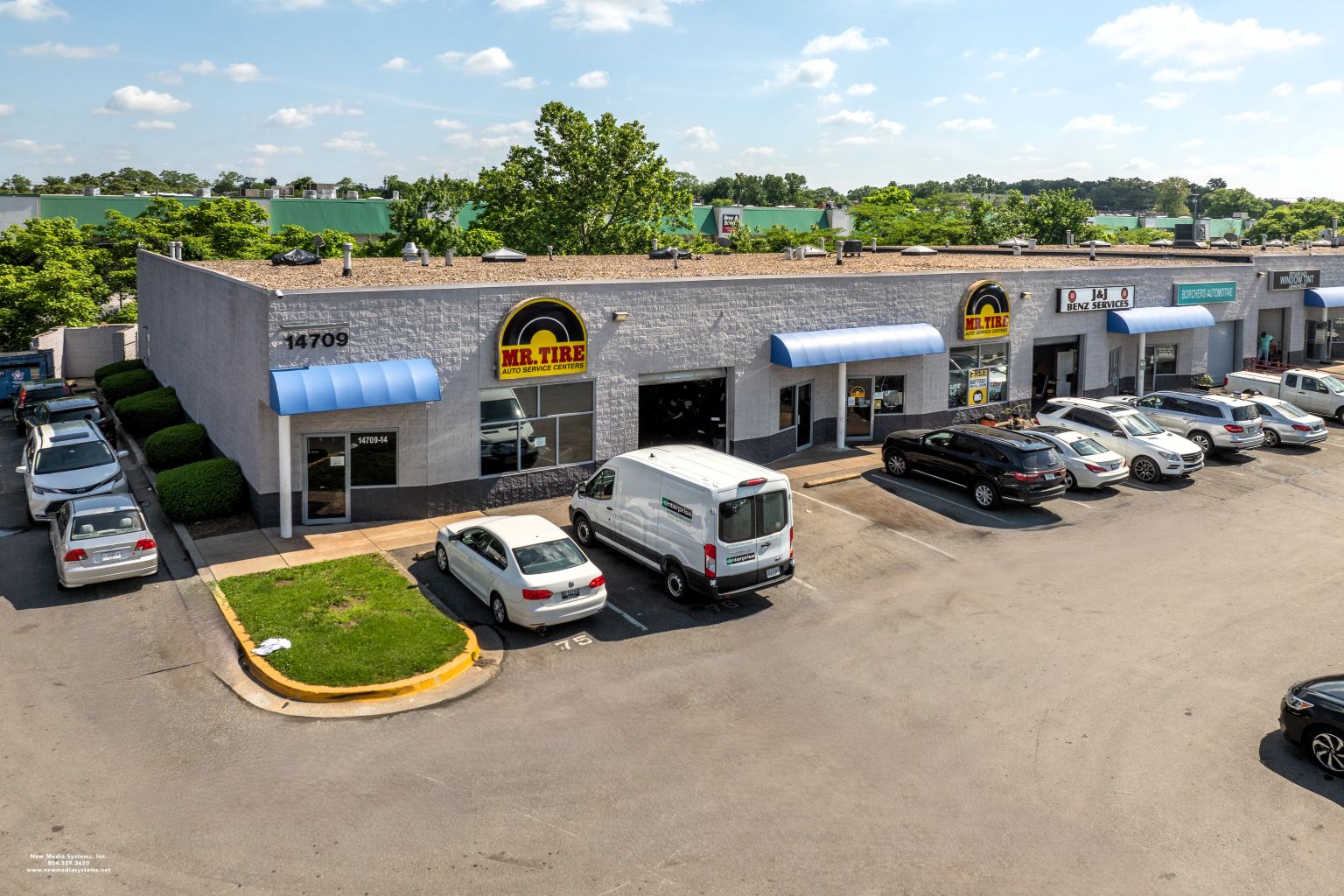
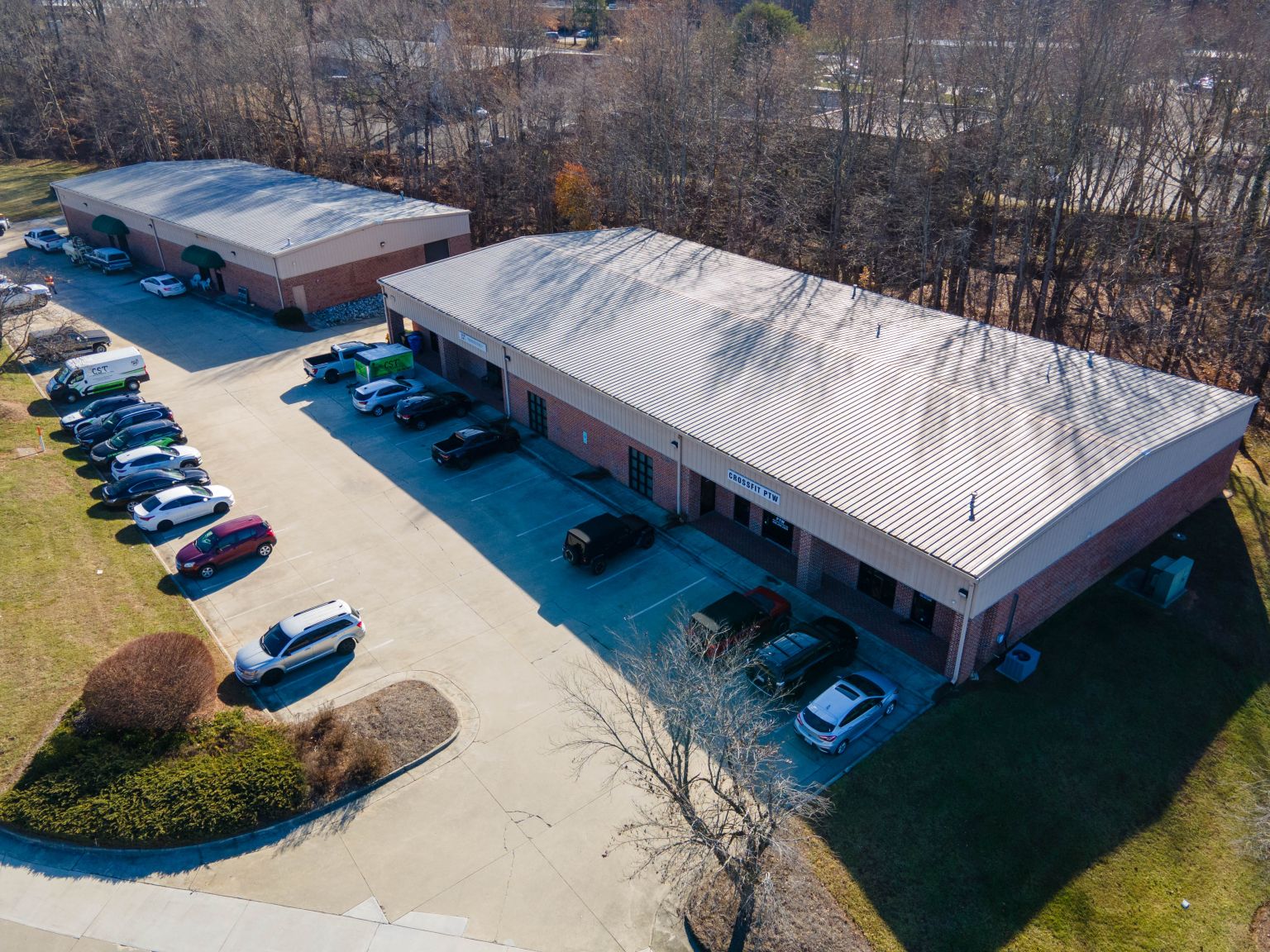
Small-bay multi-tenant properties, often called flex properties, typically range from 10,000 to 200,000 square feet. These buildings house multiple tenants in bays of 800 to 7,500 square feet, featuring grade-level doors, office space, and more. These configurations suit small to mid-sized businesses that prioritize accessibility and efficiency.
Benefits for Investors and Tenants
- Tenant Retention: Multi-tenant properties maintain strong occupancy as tenants often prefer the cost-effectiveness of renewing their lease.
- Rent Flexibility: Shorter leases allow owners to adjust rents to market rates, minimizing loss-to-lease risks.
- Value-Add Potential: These properties often operate under long-term ownership, leaving room for investors to implement upgrades and optimize rents.
- Lower Vacancy Risks: With multiple tenants, a single vacancy has a reduced impact compared to single-tenant properties.
Challenges in Supply
Despite strong demand, new construction of small-bay multi-tenant properties remains limited. The supply of large industrial buildings (100,000 square feet or greater) surged by 30.7% in recent years as developers prioritized cost efficiency and meeting the needs of large logistics companies. While buildings under 100,000 square feet make up nearly 30% of existing U.S. industrial space, they account for less than 2% of current construction. This imbalance has driven prices for small-bay properties higher, even as vacancies remain near historic lows.

Smaller industrial assets have consistently outperformed with regards to occupancy rates. Since 2010, vacancy rates for buildings under 100,000 square feet have dropped by 4.1%, compared to just 2.8% for larger properties.

Small-bay industrial properties playing a meaningful role in meeting the needs of tenants in regional markets. Whether supporting manufacturing, logistics or small-scale distribution, these assets provide the flexibility and accessibility that businesses demand. As tenants continue to prioritize location and adaptability, smaller industrial properties will continue to attract tenants from diverse industries.
Looking Forward
The rise of small-bay multi-tenant properties signals a broader shift in industrial real estate, aligning with the evolving needs of businesses and investors. These properties offer a balance of flexibility, scalability, and value-add potential, making them a cornerstone of the modern industrial landscape.