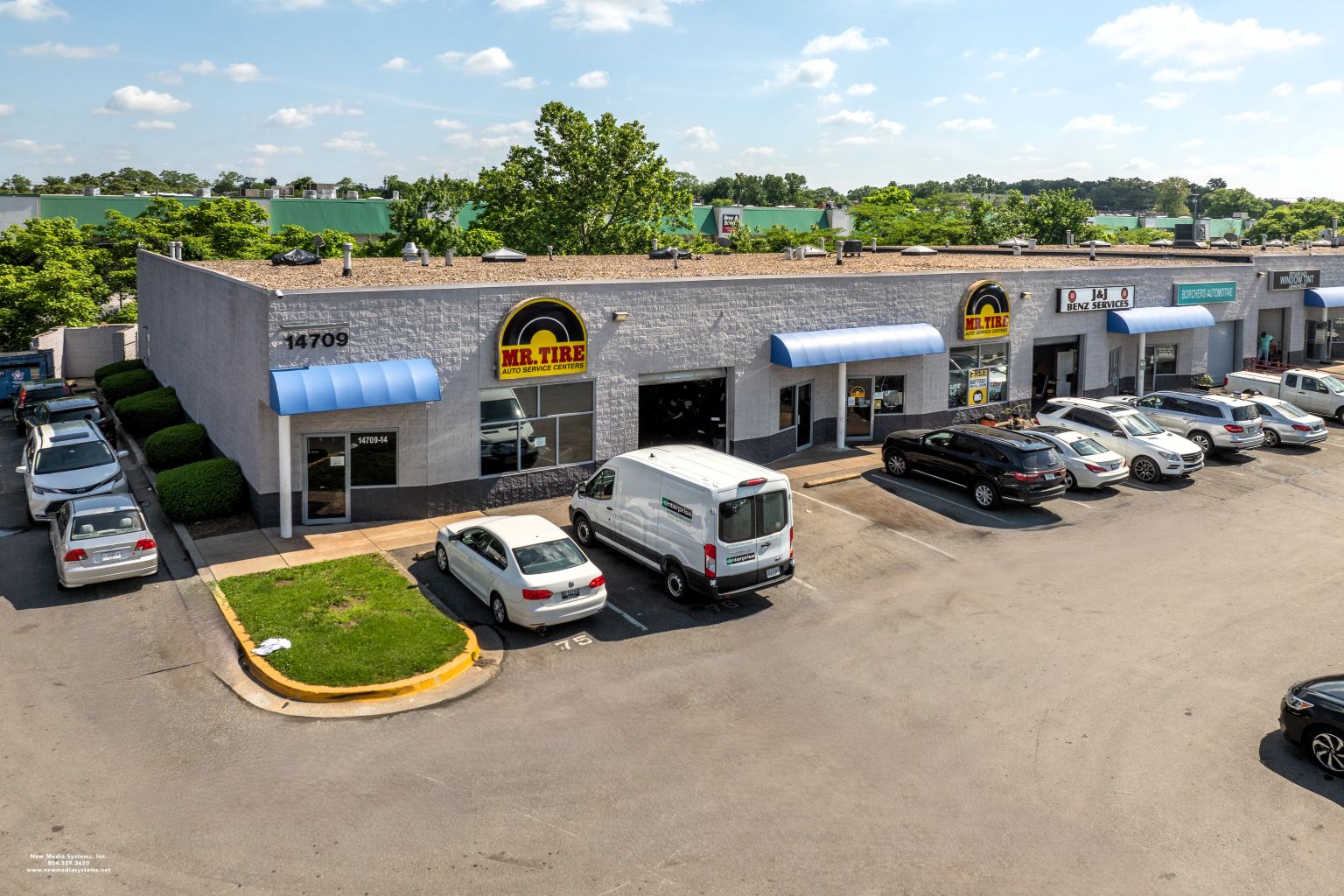
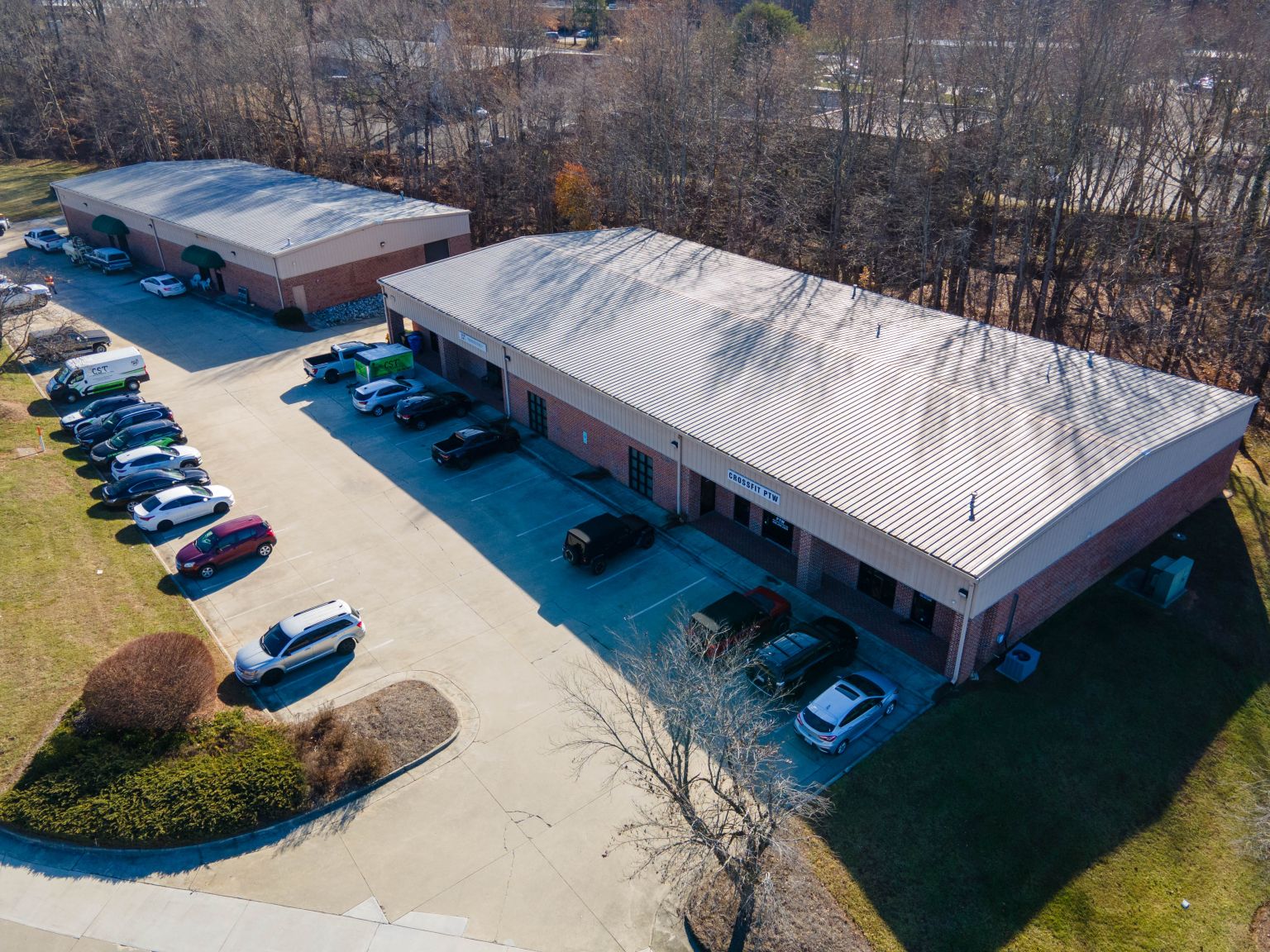
As a landlord managing small bay industrial and flex warehouse assets, choosing between short-term and long-term leases is a critical decision. The decision ultimately affects costs, flexibility, and the overall operational strategy. Property owners should evaluate several key considerations before deciding which lease term to offer tenants. The current state of the real estate market, for example, plays a significant role in a property owner’s decision to offer a long-term and short-term lease structure, as does determining the type and quality of the tenants the property owner is looking to attract. By evaluating these and other factors, the property owner can make informed decisions aligned with their investment goals.
Let’s explore the benefits and challenges of short-term and long-term industrial leases.
Short-Term Industrial Leases
In commercial real estate, short-term leases typically range from one to five years and offer more flexibility for property owners and tenants.
Benefits of Short-Term Leases
- Flexibility to Adapt to Market Changes: The most significant advantage of short-term leases is flexibility. In a rising rental market, a short-term lease enables property owners to increase rates to maximize rental income. Conversely, as the economy shrinks and budgets tighten, property owners can offer rates aligned with demand.
- Attract a Diverse Tenant Base: Short-term leases can attract a more diverse tenant base, including small businesses, companies undergoing change, distribution companies, and more. Many smaller tenants often prefer the flexibility a short-term lease provides, especially if they’re testing a new market or are first launching a business. As a property owner, this is beneficial as the short-term leases will keep the property consistently occupied.
- Ability to Reposition the Property: For property owners with aspirations to make renovations to the industrial asset, short-term leases can offer two benefits: interim rental income and the ability to upgrade vacated units more efficiently. This can be beneficial for property owners looking to attract higher paying tenants or improve overall returns with asset upgrades.
Challenges with Short-Term Leases
- Higher Turnover and Vacancy Risk: Short-term leases mean more frequent lease expirations which could result in increased vacancy periods and cash flow uncertainty. Additionally, with the short duration of the leases, property owners could also incur additional costs related to unit renovations, marketing, and lease negotiations.
- Increased Operational Costs: Managing an industrial property with short-term leases generally leads to higher administrative and operational costs. Property management likely will need to spend more time on tenant management, lease renewals, and maintenance issues which can negatively impact profitability.
Long-Term Industrial Leases
A long-term industrial lease typically ranges from five to fifteen years or more and offer greater stability to property owners.
Benefits of Long-Term Leases
- Income Stability and Predictability: Long-term leases provide stable and predictive cash flow for asset owners which is important for owners looking to minimize risk and ensure steady income over an extended period of time. It can also simplify financial planning and help in securing financing for other investments.
- Lower Turnover and Reduced Vacancy Risk: With long-term leases, there is a lower risk of frequent turnover which can reduce the risk of vacancy-related income loss. Additionally, the property owner will not need to spend additional capital on marketing and tenant incentives, which will stabilize operational costs.
- Improved Tenant Relationships and Property Care: As with owning a house, long-term tenants tend to take better care of the property and invest in their space. They have a vested interest in maintaining a quality property for the duration of their lease.
- Ability to Obtain Attractive Financing: A property with stable, long-term tenants can often secure better loan terms and lower interest rates due to the reduced risk perceived by lenders. Additionally, asset owners that have long-term leases, can often obtain financing for new investments easier than those with properties that have short-term leases.
Challenges with Long-Term Leases
- Lack of Flexibility: One of the main drawbacks of long-term leases is the limited flexibility in adjusting rental rates. If the market experiences a significant uptick, property owners with long-term leases may miss out on the opportunity to capture higher rent rates. While lease agreements may include periodic rent increases, they may not fully keep pace with dynamic market changes.
- Potential for Lease Renegotiation Pressure: In economic downturns or when a tenant faces financial challenges, property owners with long-term leases may come under pressure to renegotiate lease terms or offer concessions to maintain occupancy. This could negatively affect the property’s cash flow and overall returns.
The choice between short-term and long-term leases for small bay industrial and flex warehouse properties depends on the property owner’s investment strategy, risk tolerance, market conditions, and the specific characteristics of the property and potential tenants. Each lease term offers distinct advantages and disadvantages, and a balanced approach that incorporates both lease types may provide the best results for maximizing returns while minimizing risks.