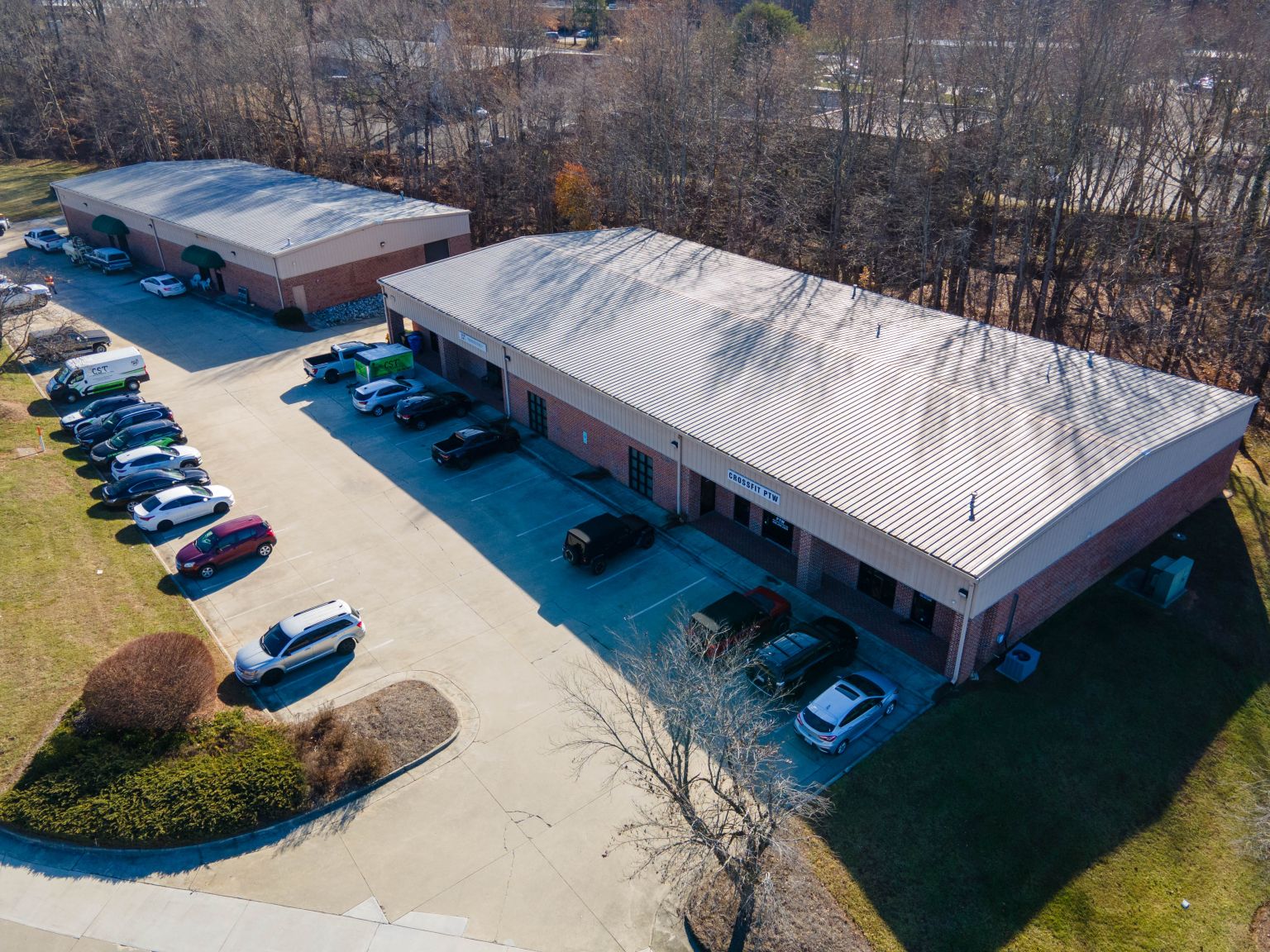
Small bay industrial real estate has become one of the most sought-after segments in commercial real estate, driven by last-mile logistics, reshoring, and supply-chain fortification. For many investors, the asset class has delivered steady income and attractive appreciation with comparatively low volatility in recent years.
While capital continues to pour into the space, the sources of return are changing. Small bay industrial investors are discovering that the difference between average outcomes and standout returns lies in what happens after the deal closes. Active asset management is not a new concept in commercial real estate. However, its importance in the small-bay industrial sector is significant.
Why Operational Efficiency is so Important to Asset Performance
Small bay industrial real estate is often described as “simple,” but that perception can be misleading. Compared to large logistics facilities, small bay industrial portfolios typically consist of smaller buildings, multi-tenant configurations, and tenants with diverse business models and space needs. Lease terms roll more frequently, and space configurations vary widely.
Tenant relationships are directly tied to asset performance. Many small-bay tenants operate time-sensitive, locally focused businesses, making reliable property management and operational flexibility business necessities. Experienced asset managers stay close to tenants, anticipate changes before leases expire, and respond quickly as needs evolve. That hands-on attention typically drives higher tenant retention, making renewals easier, and over time, stable occupancy and lower turnover costs often translate into more durable cash flow.
At the same time, by tracking market rents, comparable transactions, and tenant demand in real time, asset owners can methodically move income toward market levels without risking occupancy. Even modest rent increases, applied consistently across a portfolio, have a meaningful impact over the duration of the investment period.
Active management has always been about protecting occupancy while building long-term value. In small bay industrial, operational discipline is often the difference between average and above-average returns.
Operational Discipline Protects and Grows NOI
Small bay industrial assets may appear low maintenance, but unmanaged operating expenses can negatively impact margins. Small efficiencies like negotiated contracts, preventive maintenance, and tighter expense monitoring have a positive impact over time. In portfolios where operating expenses represent a meaningful share of revenue, operational discipline directly supports NOI growth and downside protection.
Active asset owners focus on improvements that enhance marketability rather than provide short-term cosmetic upgrades. Power upgrades, dock reconfigurations, yard improvements, or building facade updates generally lead to higher rents, attract stronger tenants, lower tenant turnover, and accelerate lease-up. Experienced owners understand the importance of building relationships with brokers, municipalities, and tenants to obtain market intelligence that informs leasing strategy, pricing decisions, and exit planning. By aligning capital deployment with tenant demand and market dynamics, owners can make more informed decisions that can lead to positive NOI.
Where Active Management Makes the Difference
In small bay industrial real estate, outsized performance lives in the details. It is created through hands-on execution, informed decision-making, and constant engagement with assets, tenants and local market participants. As competition increases and underwriting assumptions tighten, investors who treat asset management as a core investment function position themselves to outperform across market cycles.
This approach underpins Lucern Capital Partners’ asset strategy, where active asset management is embedded throughout the investment life cycle. By focusing on operational execution and local market insight, Lucern seeks to uncover value that passive strategies often miss and ultimately deliver above-average risk-adjusted returns to investors.