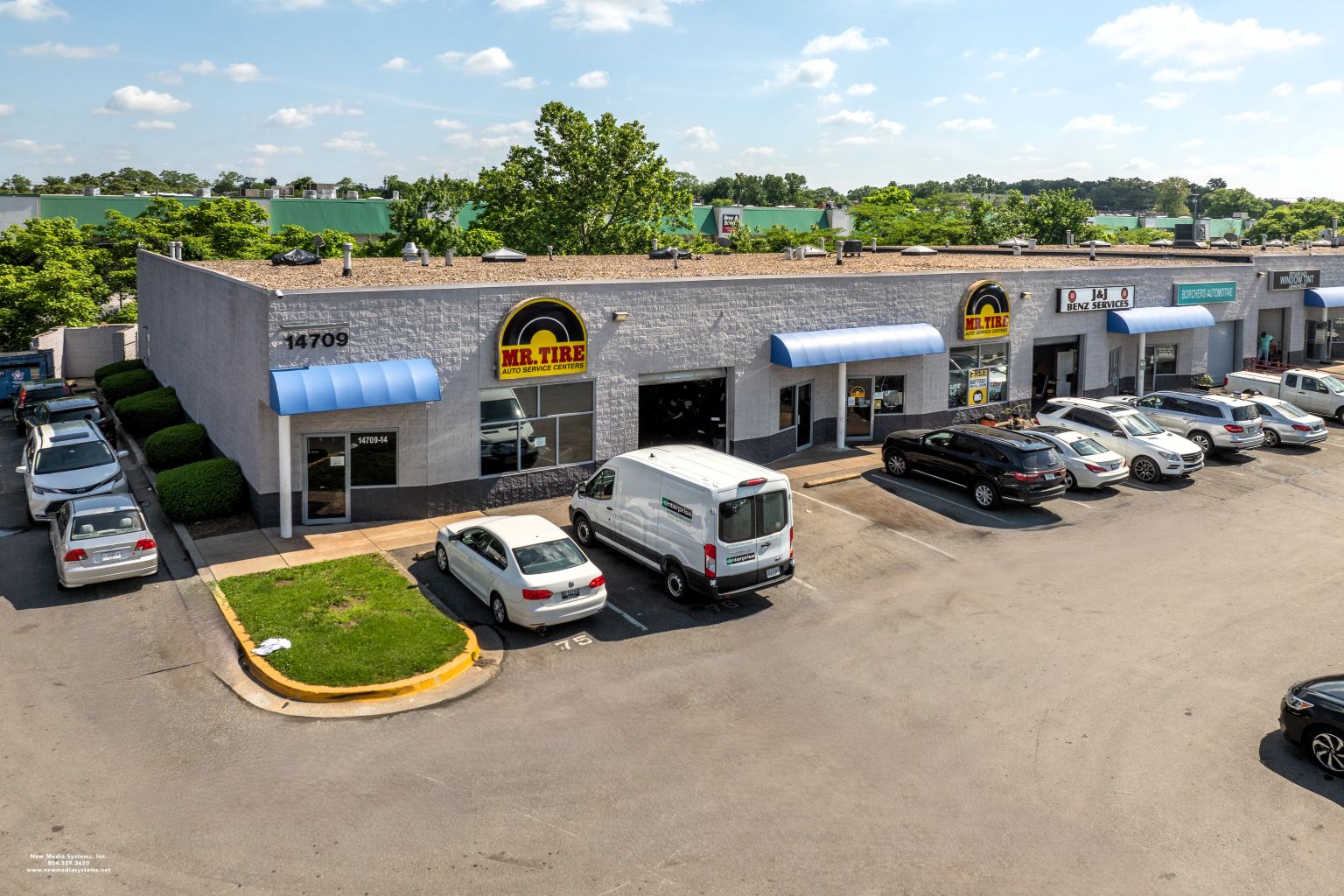
Underwriting light industrial real estate assets is not straightforward, but the success of the investment hinges on following a disciplined and thorough process that applies the right inputs. Understanding the fundamental inputs that drive value creation in light industrial real estate investing can make all the difference. Let’s dive into each one.
- Vacancy Rate: When investing in a multi-tenant property, vacancy is inevitable during the investment period. Whether the asset is undergoing repositioning or is in the lease-up phase, understanding vacancy trends is essential. Your underwriting model should account for factors like property type, tenant quality, number of units, location, supply and demand, and general economic conditions. Forecasting vacancy accurately is a crucial component of underwriting a light industrial real estate asset.
- Rent and Expense Growth: A strong underwriting process considers both income growth and operating expenses. Rent growth, for example, is driven by a number of factors, including inflation, market supply and demand, seasonality, economic conditions, and property location. To account for these, the underwriting model should include an income growth assumption.On the expense side, it’s important to account for inflationary conditions. Operating expenses like utilities, property management, and maintenance are variable, and therefore, a general growth assumption for these costs will ensure a more accurate financial project.
- Financing Terms: While leveraging debt to purchase an industrial real estate asset can enhance returns, it also introduces risks, especially when loan terms fluctuate over the life of the investment. Understanding the loan inputs—interest rate, amortization, loan to value (LTV) ratio, and the overall loan amount—is crucial for accurately modeling your debt cost.Loan covenants are another factor to consider. A debt service coverage ratio, for example, might require that the property generate 1.25X the loan payment. Falling short of this threshold could trigger a loan default, jeopardizing the investment.
- Cap Rate: The asset’s purchase and sale price are the biggest driver of investment return metrics. The entry capitalization rate (cap rate) is calculated by dividing the property’s year one Net Operating Income (NOI) by the estimated purchase price, offering a benchmark for assessing the value. This rate should be compared to recent transactions of similar properties to ensure it is reasonable. The exit cap rate is decided by the underwriter to determine the sale price at the end of the investment period. A conservative approach should be taken since the sale price plays a significant role in the overall investment return.
- Capital Expenditure Reserves: Light industrial properties, like any physical asset, wear down over time. Whether it is repairing a roof, replacing the HVAC systems or addressing other maintenance issues, capital expenditures can add up. Setting aside reserves for future repairs and improvements is an essential step during the underwriting process.Focusing on these five underwriting inputs will help light industrial real estate owners/operators assess potential risks and returns when evaluating an investment.