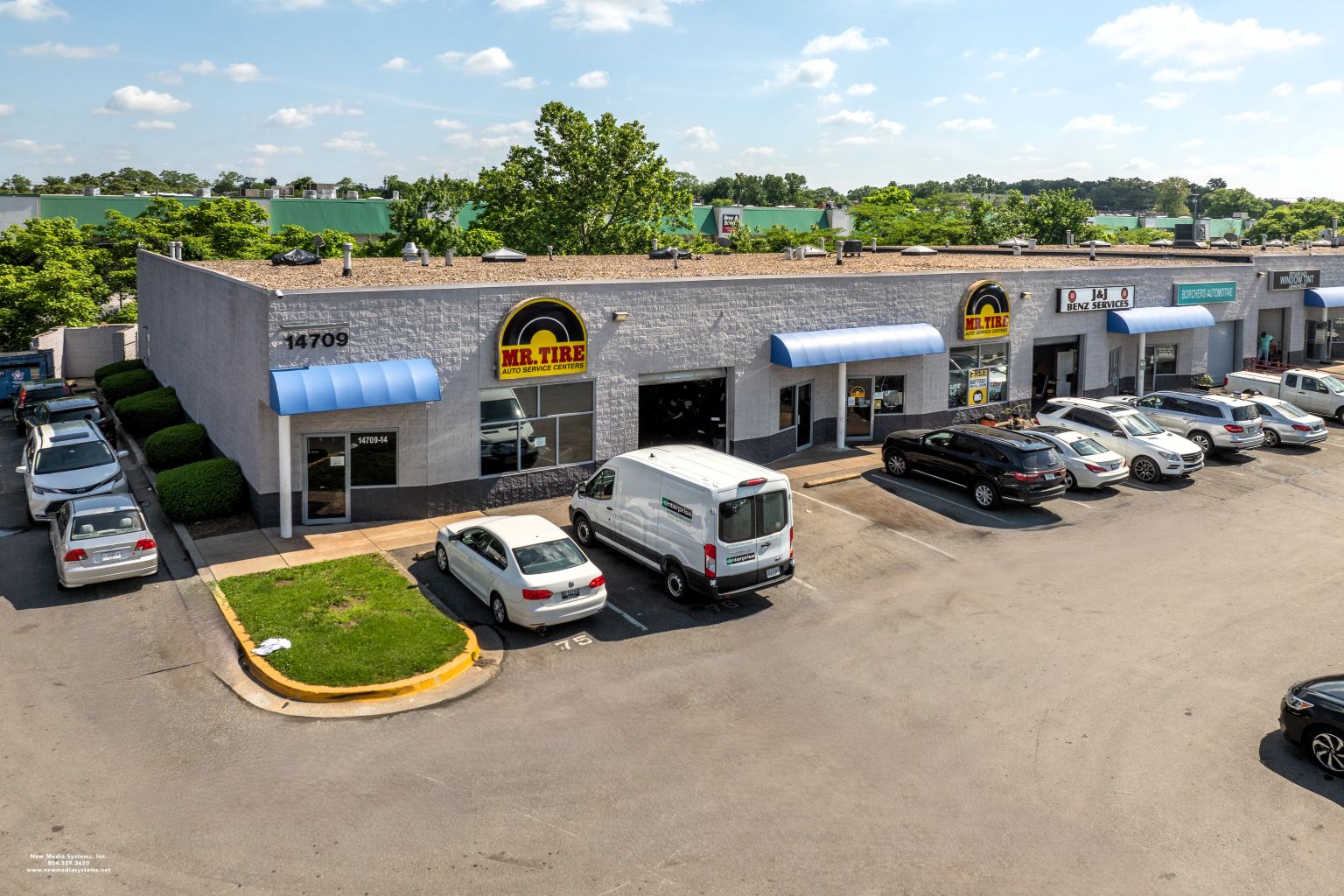
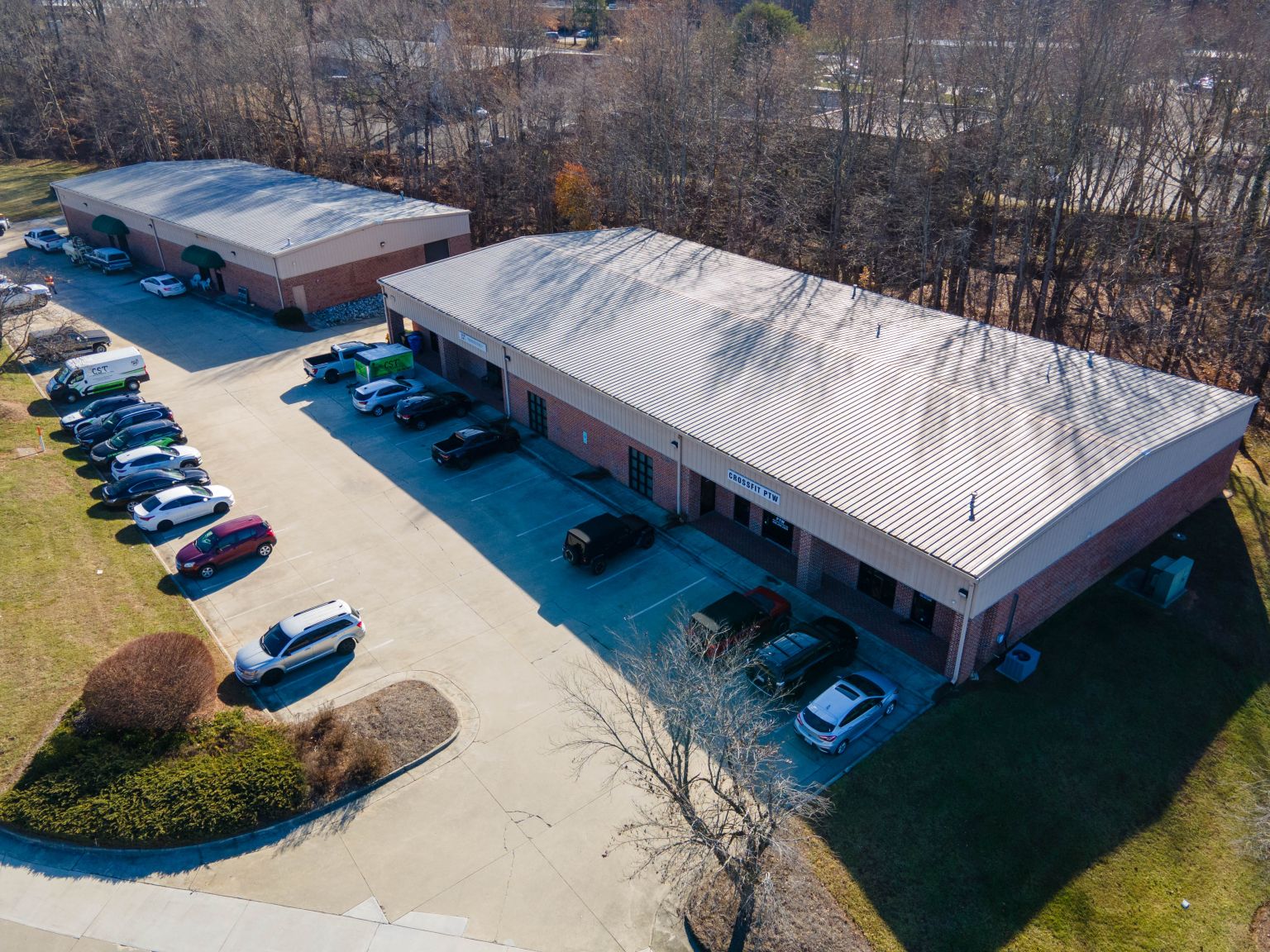
Until recently, people generally thought of large fulfillment centers or distribution facilities when they heard industrial real estate. However, a smaller subset of the industrial real estate sector has emerged and grown quickly over the past five years: small-bay industrial. These buildings house multiple tenants in suites ranging up to 100,000 square feet and are in infill areas of primary and secondary cities across the U.S. The relative scarcity of these assets and demand have attracted significant capital from high-net-worth and institutional investors.
While historically overlooked by large institutional investors in favor of scale-efficient big-box assets, small-bay industrial is emerging as one of the most compelling opportunities in today’s real estate landscape. And the data confirms that institutional investors are already starting to take notice.
Institutional Momentum is Building
The shift is visible in transaction activity. In 2024, small-bay assets represented 62% of all U.S. industrial transaction volume, up from 58% in 2023. More importantly, institutional buyers accounted for 20% of those trades, rising from 16% the year before (Corebridge Financial, Light Industrial Outlook, June 2025).
This trend highlights two things. First, small-bay industrial is no longer the exclusive territory of entrepreneurial owner-operators and high-net-worth investors. It is increasingly on the radar of institutional allocators. Second, the sector’s fundamentals are strong enough to warrant a growing share of institutional capital, even in a crowded industrial landscape.
Why is this happening? Because small bay offers something institutions are actively seeking in the current market environment: resilience, inflation protection, and differentiated growth potential.
Stronger Fundamentals Than Big-Box Logistics
Large-scale industrial assets are experiencing headwinds. New supply has pushed big-box vacancies higher, and absorption has cooled. Small-bay industry, by contrast, has remained remarkably tight. Vacancy rates sit at just 4.8% for properties under 150,000 SF, nearly half the rate of bulk distribution facilities. Rents for units under 50,000 SF have grown more than 40% since 2020, outpacing the broader industrial market’s 30% growth. These fundamentals highlight a clear divergence where big-box is vulnerable to cyclical swings while small-bay demand is driven by local business activity.
The supply picture further strengthens the case for institutional allocation. Developers prefer building large, single-tenant boxes as they are easier to finance, lease, and manage at scale. As a result, small-bay properties account for only about 0.5% of total industrial construction activity nationwide. Rising construction costs, up about 44% since the pandemic, have only widened the gap, making it uneconomical to build new multi-tenant properties in most infill locations. This imbalance between limited supply and persistent demand is driving above-trend rent growth.
The Stickiness of Local Tenants
Another factor driving institutional investor interest is the stability of the tenant base. Small-bay industrial buildings serve a diversified mix of small businesses, contractors, wholesalers, and service providers whose operations depend on proximity to their customers.
These tenants represent the backbone of the U.S. economy: 99% of all businesses, 46% of private-sector employment, and more than 60% of net new job creation since 1995. Because relocation is costly and disruptive, small-bay tenants typically demonstrate strong renewal rates, even during downturns.
For investors, that “stickiness” translates to reliable cash flow. Unlike single-tenant big-box facilities, where one vacancy can erase income overnight, small-bay properties spread risk across dozens of tenants.
The Case for Allocation
The data is clear: institutional investors are no longer ignoring this asset class. The jump from 16% to 20% of institutional investor allocations in just one year is evidence of how quickly momentum is building.
At Lucern Capital Partners, we specialize in identifying and executing opportunities in this underappreciated segment. Our focus on small-bay industrial assets in high-growth, supply-constrained markets allows us to capture both defensive income and offensive value creation.
For investors looking to strengthen their industrial allocations, the time to act is now. Small-bay industrial is already attracting institutional capital, and those who move early will be best positioned to capture its outsized performance.