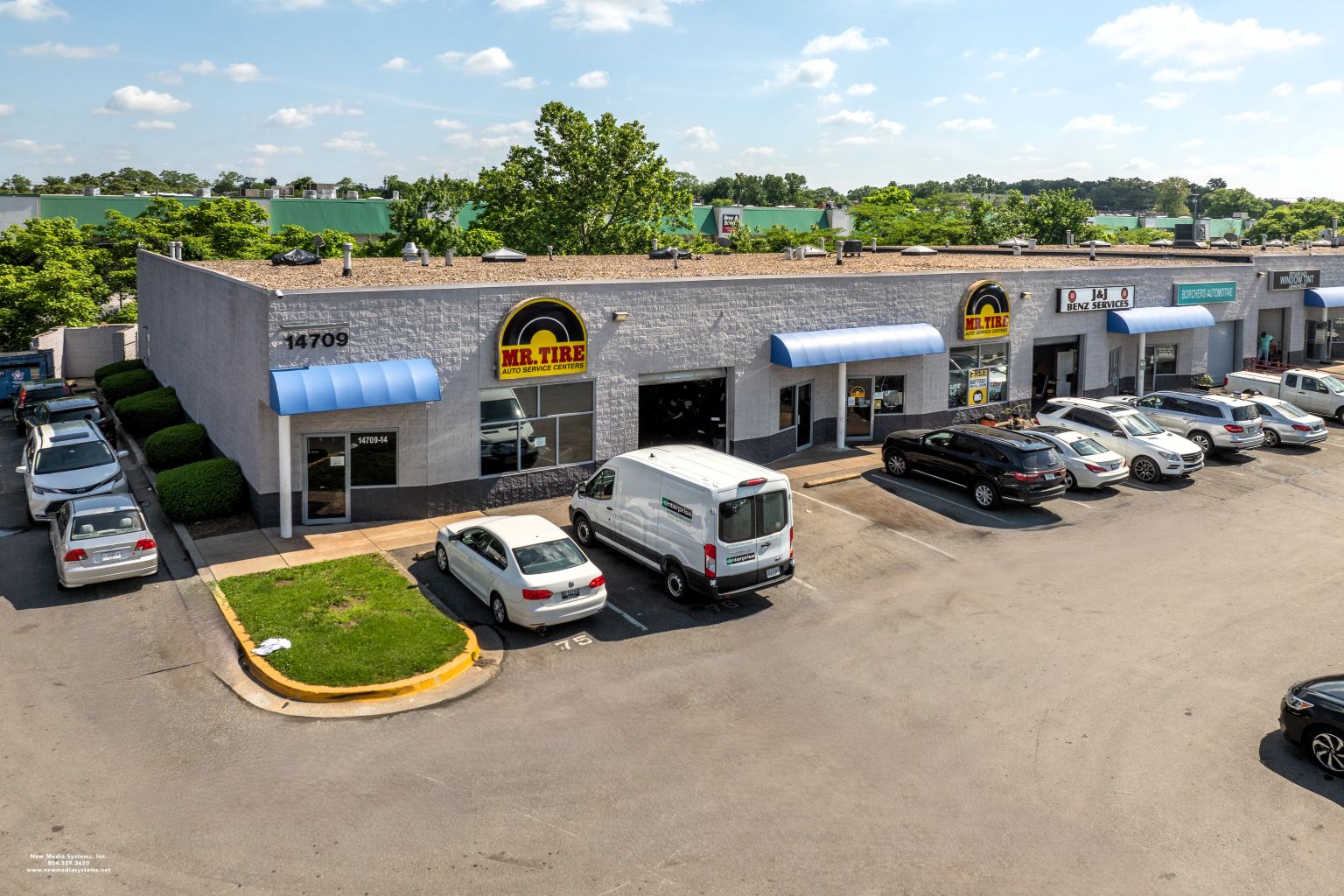
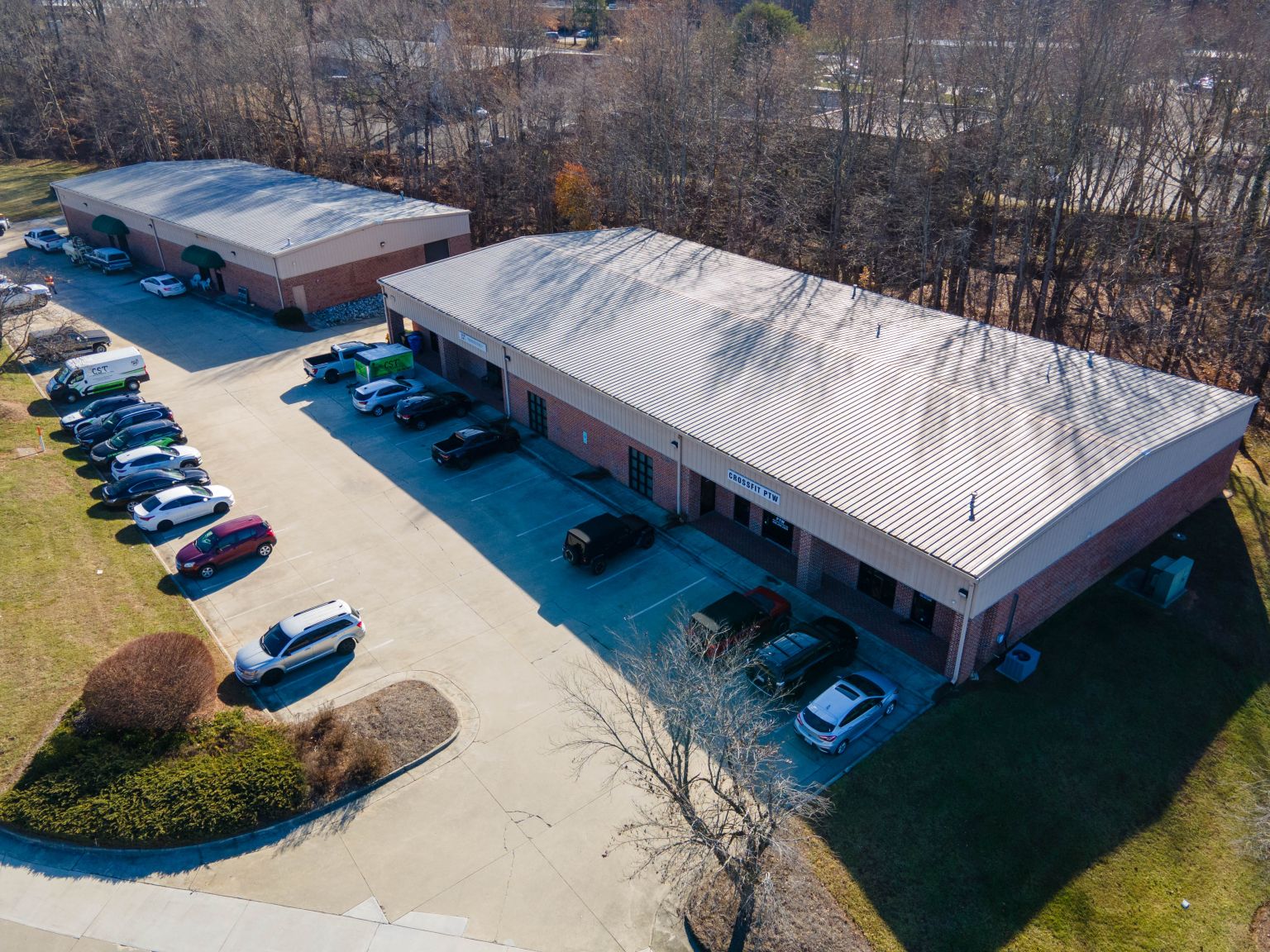
Light or flex industrial properties form the backbone of numerous industries, serving as hubs for manufacturing, warehousing, distribution, and logistics operations. Managing these assets effectively requires an approach tailored to the unique needs of the industry. In light industrial real estate, property management not only ensures operational efficiency, but also protects and enhances the long-term value of the asset. From maintaining optimal functionality to maximizing tenant satisfaction while minimizing operational costs, light industry property management plays a crucial role in driving value and ensuring sustained profitability.
What is Light Industrial Property Management?
Light industrial property management is a specialized segment within commercial property management, focusing on the administration and maintenance of warehouses, distribution centers, and small industrial businesses. It involves key responsibilities like rent collection, tenant relations, and lease management, but also requires proactive maintenance to ensure compliance with safety regulations. By adopting strategic practices and adhering to industry standards, property management teams can navigate the complexities of light industrial real estate, delivering value to property owners and tenants. The following are the four core areas of service they provide.
- Preserving the Asset’s Value: Light industrial properties face unique challenges, including significant wear and tear from heavy equipment, round-the-clock operations, and specialized infrastructure needs like reinforced flooring and loading bays. Experienced property managers address these demands through preventive maintenance and regular inspections, minimizing minor issues before they escalate into costly repairs.
- Optimizing Operational Efficiency: Efficient operations are critical in light industrial properties, where downtime impacts tenant satisfaction. By coordinating regular maintenance and promptly addressing mechanical issues, property management teams can minimize disruptions, reduce vacancy rates, and increase rental income.
- Tenant Relations and Retention: Light industrial tenants often make significant property modifications, creating a strong incentive to remain long-term. This unique aspect of the sector creates an opportunity for property managers to forge strong tenant relationships, encouraging long-term leases and high retention rates. A proactive property manager will work closely with tenants to address their needs, ensuring the space continues to support their operations effectively.
- Financial Management and Reporting: A disciplined approach to financial management is essential in long-term investment strategies, and property managers are central to this process. From budgeting for operational expenses to tracking income and forecasting capital expenditures, property managers provide property owners with financial insights to make informed decisions.
For light industrial real estate investors, long-term success hinges not only on asset acquisition but on effective management. Experienced property management teams help preserve and enhance the asset’s value, drive operational efficiency, and create strong relationships with tenants to maintain high occupancy rates. By delivering insights on market trends and financial performance, property owners can make informed decisions to position the asset for long-term success in this competitive industry.