Lease-up deals in industrial real estate are increasingly capturing investor attention. For those focused on the small-bay and light industrial segments, these assets can offer a rare blend of value creation and income growth. But like any investment with near-term execution risk, success depends on several fundamental factors that shape the lease-up process.
What is a Lease-Up in Industrial Real Estate?
A lease-up deal typically refers to the acquisition of an industrial asset that is not fully occupied. Developers often seek to sell shortly after construction to recycle capital, while investors buy during lease-up to capture the value created as the property reaches full occupancy and market rents.
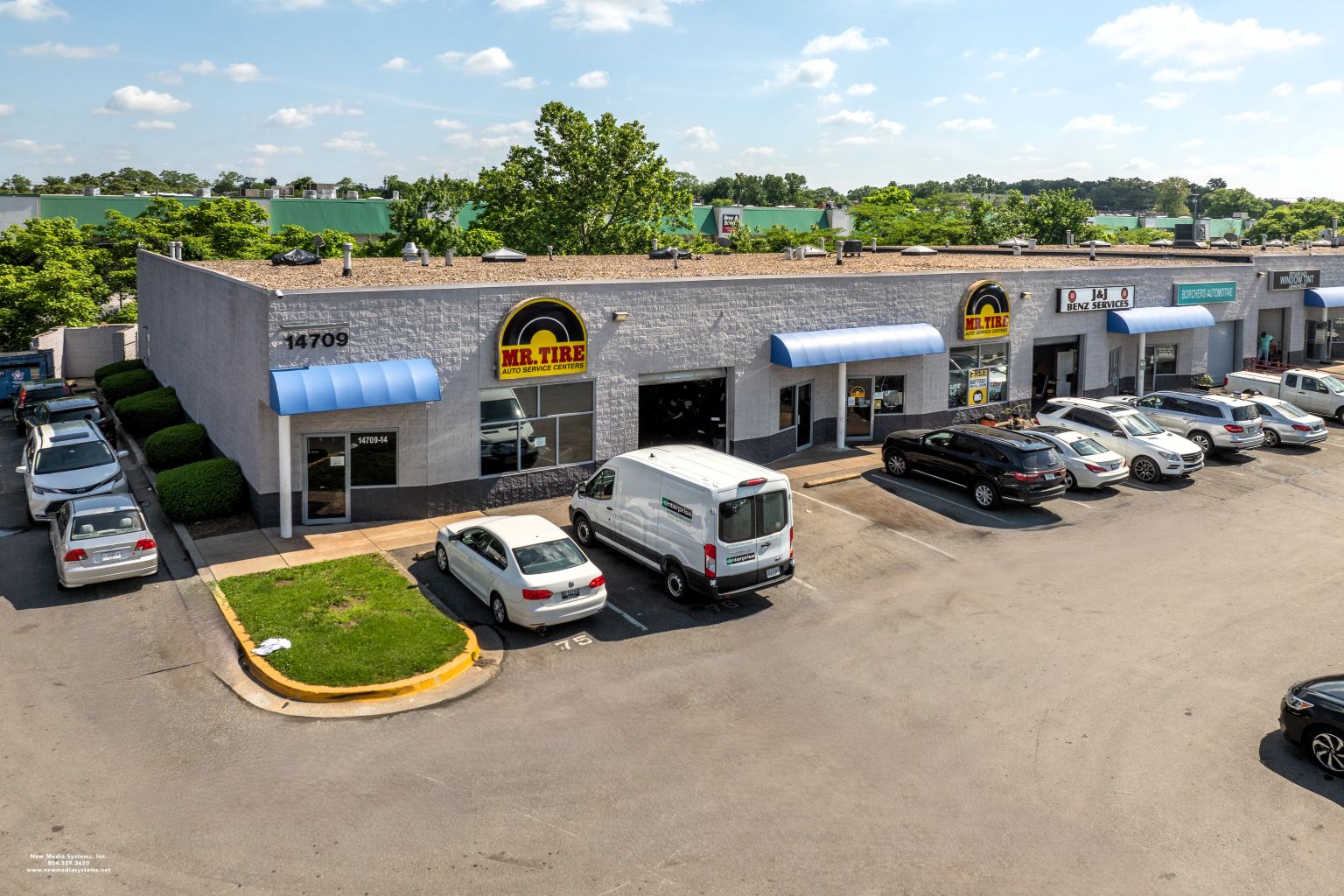
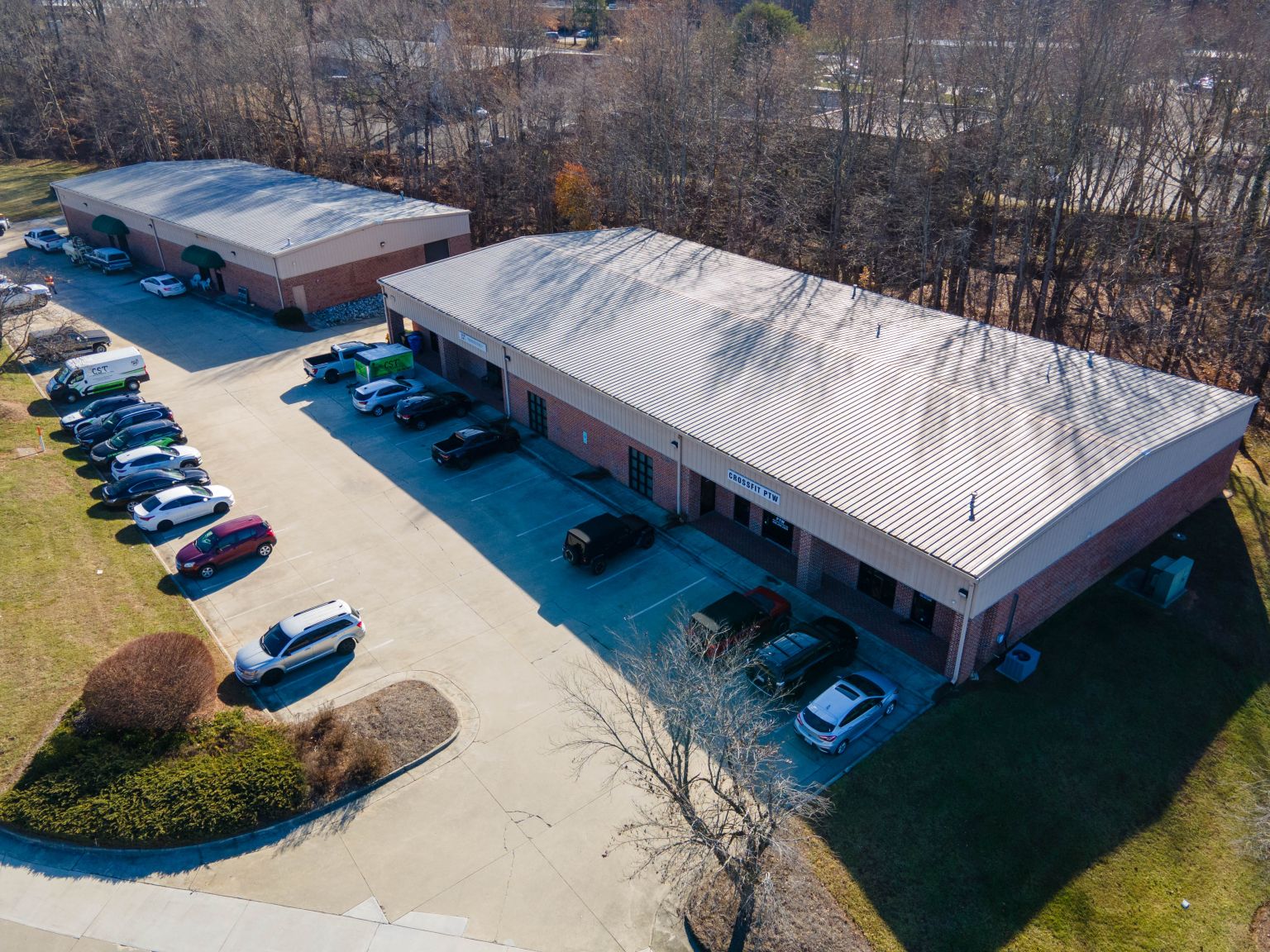
In the small-bay industrial space, the lease-up period can be challenging, yet rewarding. Unlike large single-tenant distribution centers, small-bay properties rely on a diverse mix of tenants across sectors such as construction, logistics, light manufacturing, and small businesses. That diversification can reduce long-term risk but also requires more nuanced asset management during lease-up.
For most investors, the optimal point of entry is when the property is partially leased, typically 50% to 70% occupied. However, in select markets, particularly those with constrained supply or strong in-migration trends, an earlier entry can make sense. Acquiring pre-lease or immediately upon delivery allows investors to establish a leasing strategy, influence the tenant mix, and negotiate favorable pricing from developers eager to de-risk their balance sheets.
What is occurring in the broader capital markets also affects an investor’s entry point. In an environment where interest rates are expected to decline, acquiring during lease-up positions investors to benefit from cap rate compression as both income and market sentiment improve. Conversely, in tightening credit conditions, investors must underwrite with greater discipline, ensuring lease-up assumptions hold even under slower absorption scenarios.
Capturing the Lease-Up Value Gap
In today’s environment, where industrial fundamentals remain strong—low vacancy, limited new supply, and tenant demand driven by e-commerce, onshoring, and manufacturing trends—investors can benefit from both organic rent growth and lease-up appreciation. In small-bay specifically, tenant stickiness amplifies this opportunity. Once a tenant tailors a space to its operational needs, turnover tends to be low.
The single most appealing attribute of industrial lease-up deals lies in their discount to stabilized value. Since the property isn’t yet generating its full income stream, investors can acquire it at a basis below the cost of a stabilized asset. As occupancy increases and rents begin to flow in, that discount narrows, creating natural appreciation even without market-wide rent growth.
Another advantage is control. Lease-up assets give investors the ability to build the tenant mix, adjust lease terms, and implement operational strategies that align with broader portfolio goals. For example, an investor may target a mix of service-oriented tenants or structure shorter lease terms to capture rental growth more frequently.
Understanding The Risks
As with any transaction, higher return potential comes with higher risk. The most significant challenge in small-bay lease-up deals is absorption pace. If leasing demand slows due to local economic shifts or new competing supply, investors can face longer lease-up periods. Construction costs and delivery timing can also add uncertainty. In some markets, industrial construction remains high, and some submarkets are experiencing short-term oversupply. Entering a lease-up deal when other comparable projects hit the market can put downward pressure on rents and force asset owners to lower rents or offer other incentives to attract tenants.
Investors also face timing risk. Buying too early in the lease-up phase can mean carrying costs for several quarters before meaningful income begins. Waiting too long, on the other hand, means paying a premium for a nearly stabilized asset and missing out on much of the value-creation phase.
Best Practices for a Successful Lease-Up Strategy
Executing a lease-up deal in industrial real estate requires both market intelligence and operational expertise. At Lucern Capital Partners, we focus on the following four areas during the underwriting process:
- Know the tenant base. Understand which industries are driving demand in the local market and what size, ceiling height, and loading configurations tenants prefer.
- Underwrite conservatively. Stress-test absorption timelines and rental rates, incorporating incentives or downtime into projections.
- Prioritize flexibility. Small-bay tenants often need custom buildouts or shorter lease terms. Offering tenant improvement allowances or flexible spaces can accelerate leasing.
- Maintain capital reserves. Unexpected costs, such as tenant improvement requests or extended marketing, should be factored into the investment plan.
In Summary
Lease-up deals in the industrial sector offer investors a distinct opportunity to create value. By entering at the right basis and managing the lease-up process strategically, investors can capture appreciation as the property stabilizes while building a durable income stream anchored by diverse, long-term tenants.
The key is discipline: knowing the market, understanding tenant demand, and timing the investment to balance risk and reward. For experienced investors, lease-up industrial assets can be a strategic investment that offers tremendous upside if executed effectively.