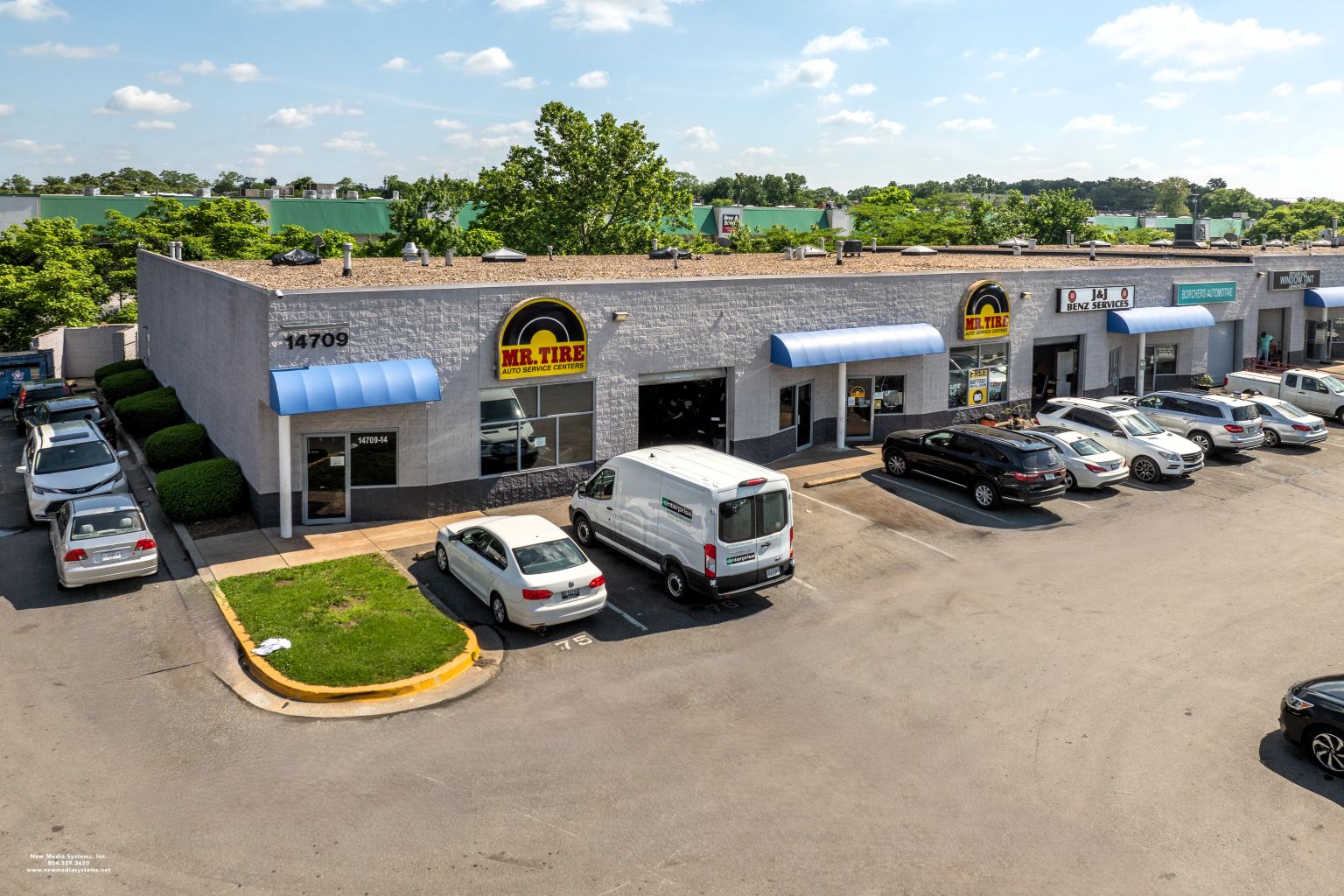
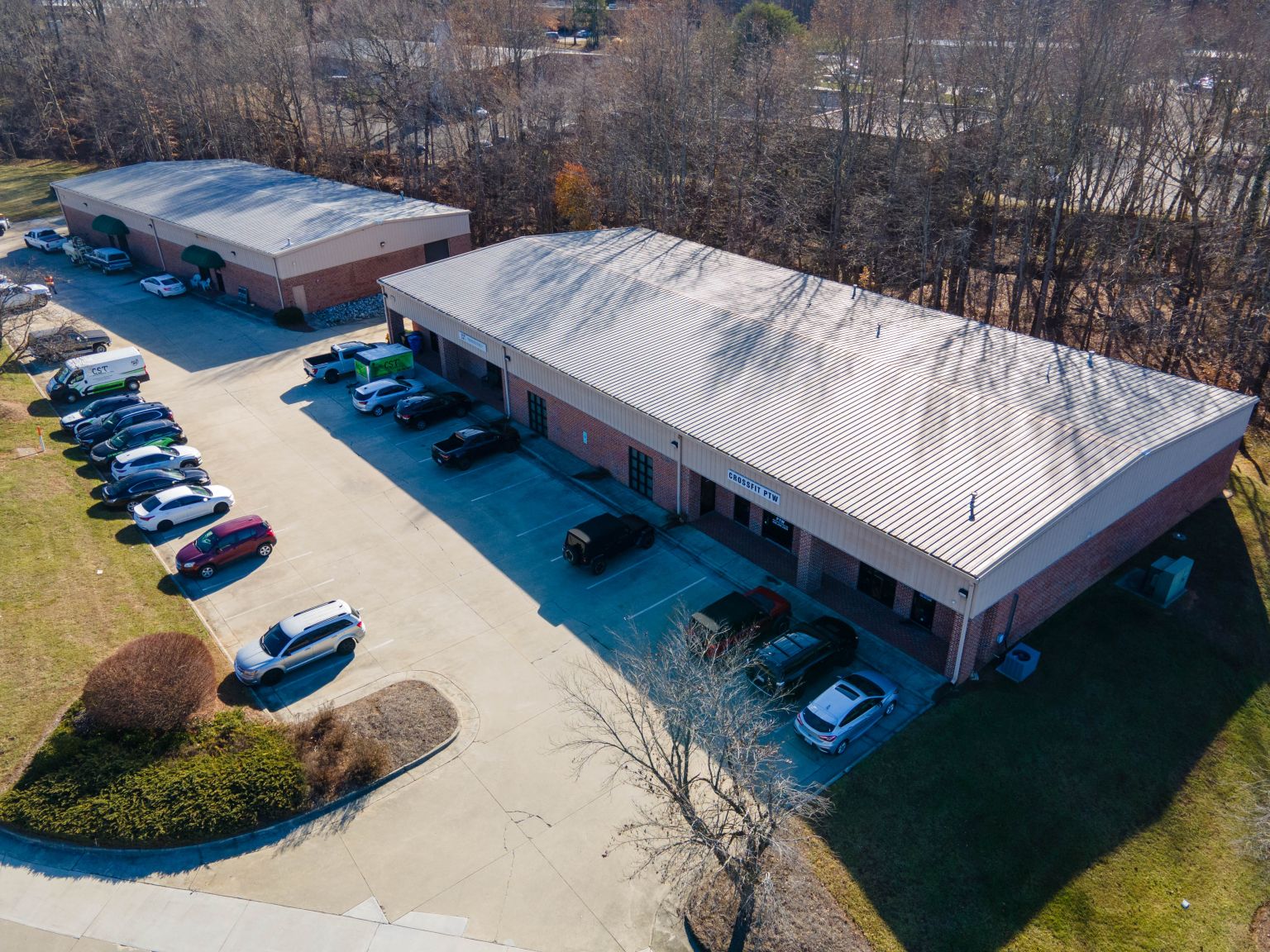
When we think about critical infrastructure, highways, ports, and power grids are often the first things that come to mind. But there’s an equally important layer that supports local economies: small-bay industrial properties. These often-overlooked assets form the backbone of local economies, enabling small businesses and tradespeople to service local customers needing same-day service to operate efficiently.
Small-bay industrial properties offer flexible, cost-effective space for tenants who build, repair, distribute, and service regional and local areas. In today’s market environment, this asset class has never been more important or more in demand.
Essential Space for Essential Businesses
Unlike larger industrial spaces designed for national distribution, small-bay industrial properties are built for hands-on businesses and proximity to end customers. Building tenants comprise electricians, HVAC technicians, cabinetry makers, automobile repair pros and e-commerce entrepreneurs who rely on daily or same-day servicing, making accessibility extremely important.
These multi-tenant properties with individual units comprising less than 100,000 square feet, allow tradespeople to take the leap from working for someone else to running their own business. A plumber with a truck and a team of two can scale operations from a single 1,500-square-foot bay. With time, that same company might expand into adjacent units or open a second location, growth made possible by the flexibility of small-bay industrial properties.
Meeting a Surge in Demand
The demand for small-bay industrial space has been rising steadily. Driven by the reshoring of manufacturing, population migration to secondary markets, and the growth of service-based businesses, this asset class shows no signs of slowing.
Yet the supply of small-bay space has not kept pace. In many markets, aging inventory dating back to the 1970s and 1980s is functionally obsolete. Meanwhile, new development is limited due to rising construction costs and zoning restrictions. This imbalance presents both a challenge and an opportunity. For tenants, it underscores the need for professionally managed, well-located properties that support their operations. For asset owners/operators, it presents an opportunity to acquire, modernize and maintain small-bay assets that meet the needs of local businesses.
Supporting Community Resilience
Small-bay industrial plays a unique role in supporting economic resilience. During the COVID-19 pandemic, while retail and office spaces sat idle, small-bay tenants stayed open. Landscapers kept mowing. Appliance repair crews kept moving. Medical supply distributors kept shelves stocked.
That pattern has continued. As technology reshapes the economy and larger companies consolidate, small and mid-sized operators remain connected to their communities. They are more likely to hire locally and reinvest in their neighborhoods, driving growth in their local economies.
Looking Ahead
The growth of small-bay industrial is becoming a defining feature of local economies as cities and towns seek to diversify their economic bases to become more resilient. These properties are increasingly recognized as critical infrastructure, attracting entrepreneurial and service-based tenants who prioritize location, efficiency, and flexibility. Whether supporting last-mile logistics, enabling small-scale manufacturing, or serving as operational hubs for trades-based businesses, small-bay industrial assets are positioned as the backbone of local economies.