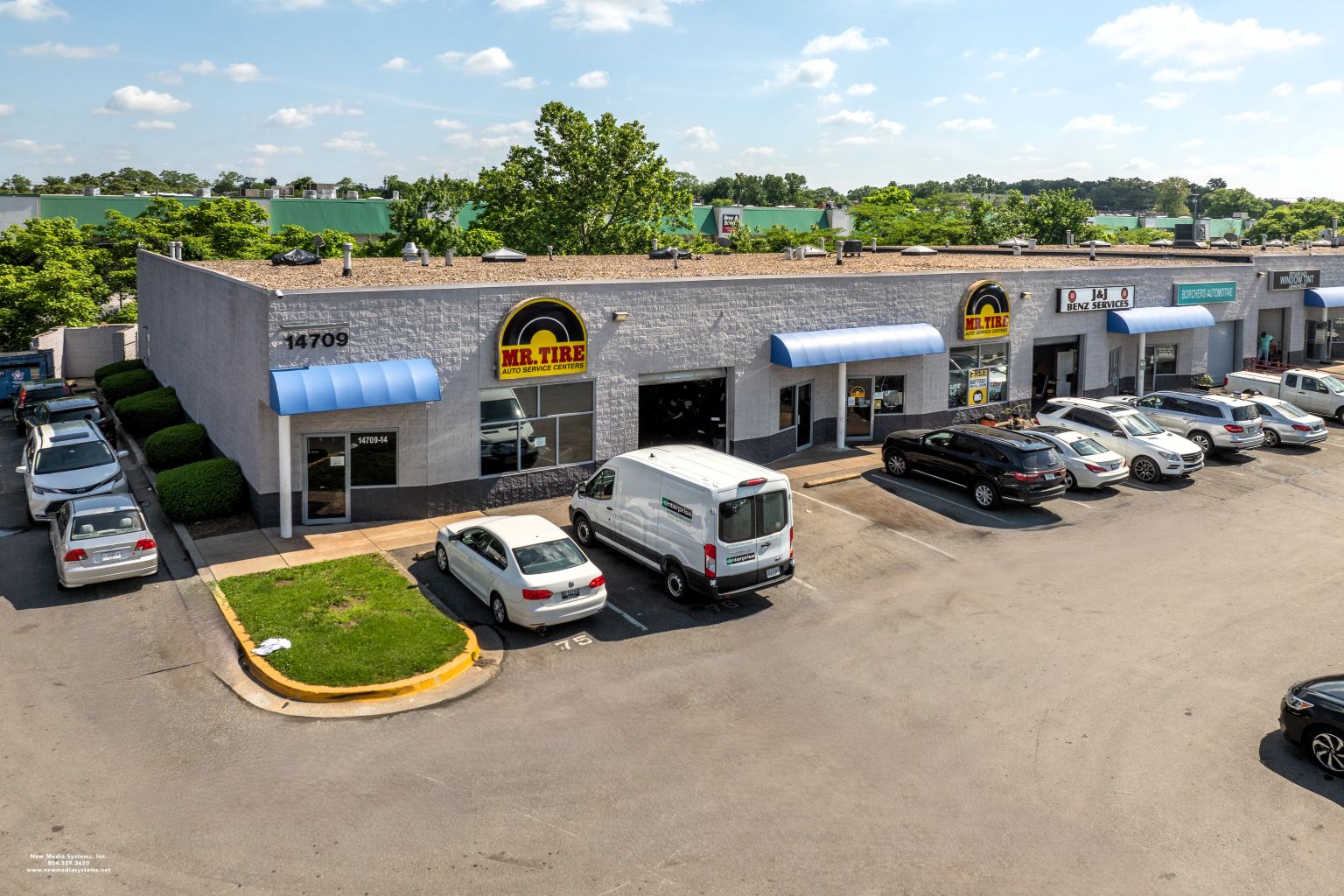
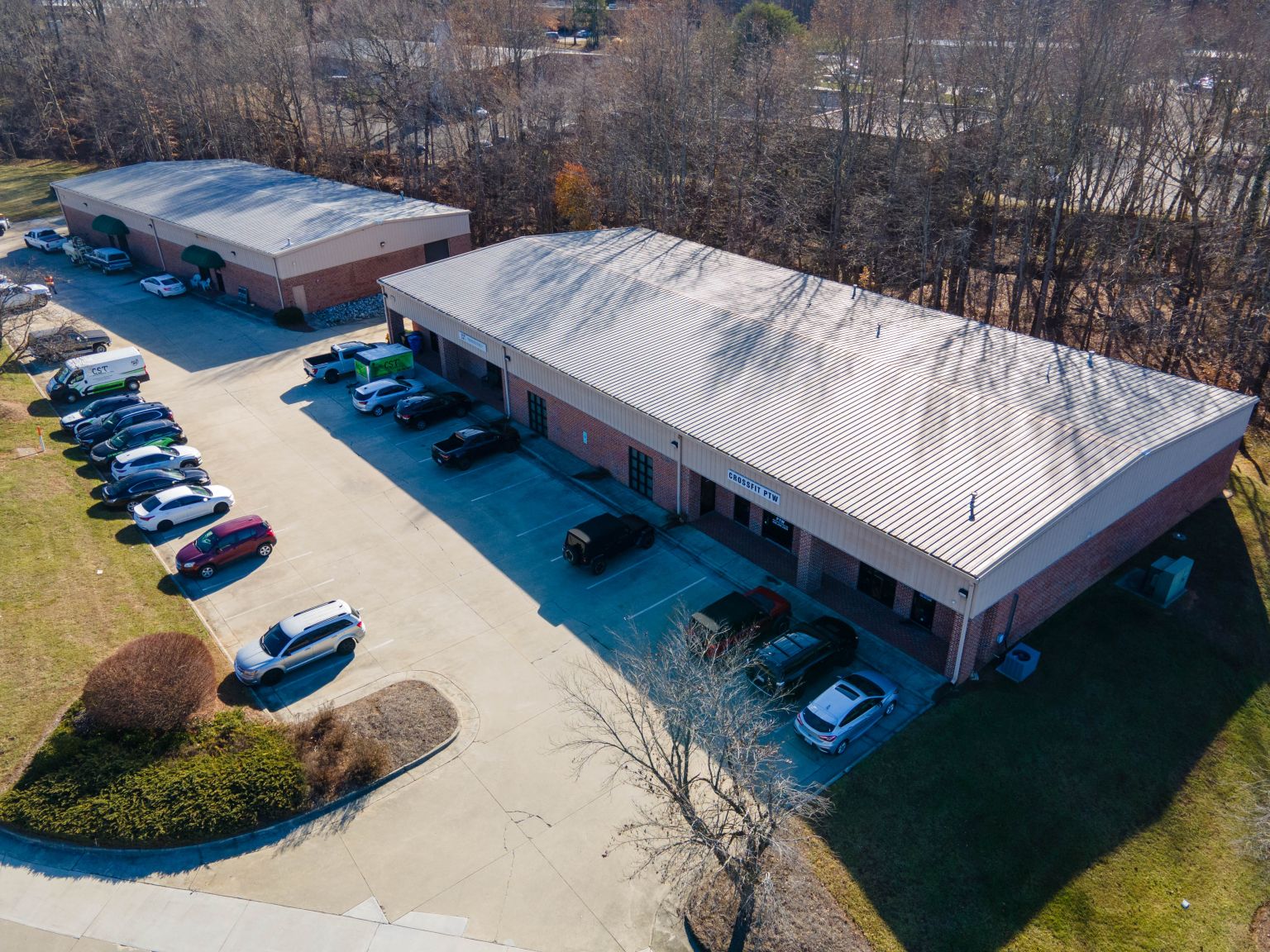
Multi-tenant industrial properties have been a strong performing asset class due to their flexibility, stable demand, and diverse revenue streams. Increasingly, these assets have attracted a mix of retail-oriented tenants, including boutique storefronts, service providers, contractors with customer-facing businesses, and local companies looking for hybrid industrial-retail space.
While retail-focused or hybrid properties can produce strong, predictable cash flow, success requires disciplined underwriting, strategic planning, and clear alignment between tenant mix and property capabilities.
Below are the eight considerations every owner/operator should assess.
1 | Tenant Mix and Retail Compatibility: Retail tenants act differently from traditional industrial users. They have different space needs, operating hours, parking expectations, and customer-facing requirements. Property owners should evaluate:
- Whether the property’s physical characteristics support retail traffic (visibility, signage, parking, etc.
- Compatibility among tenants, especially if industrial users generate noise, traffic, or odors
- Anchor tenants that may drive customer flow or stabilize occupancy
2 | Property Layout and Space Design: Retail tenants require a different layout than industrial tenants. Lower ceilings, adequate space to accommodate customers, and good lighting are important factors that retail tenants consider before signing a lease. If the owner is looking to attract retail tenants, it should consider:
- Adequate parking, especially for customer-facing businesses
- Clear, visible access for retail customers without interfering with loading zones
- HVAC capacity is often required for retail shops, as they often require optimal climate control
- Ceiling height and visibility, which influence tenant appeal
- Zoning alignment to accommodate both retail and light industrial operations
Properties designed purely for industrial use may require significant capital investment to attract and retain retail tenants.
3 | Zoning, Permits, and Local Regulations: Cities regulate retail activity differently from industrial functions. Property owners should ensure the building is legally permitted for the existing or targeted tenant mix.
- Zoning confirmation for retail sales and customer access
- Parking minimum requirements and compliance evaluations
- Use restrictions, which may limit hours of operation, signage, or traffic impact
- Certificates of occupancy that match each tenant’s intended use
Misalignment here can lead to costly legal issues and tenant turnover, which in turn affects leasing momentum and overall asset performance.
4 | Retail Tenant Creditworthiness: Compared to industrial tenants, retail tenants often endure more volatile financial performance. Owners must underwrite retail tenants diligently and more frequently. Criteria should include:
- Financial statements and credit history
- Business model stability
- Industry trends, especially if tied to discretionary spending
- Local market competition
- Length of time in business
A rent roll with too many early-stage or low-credit tenants increases risk and may reduce financing options.
5 | Lease Structure and Expense Allocation: Retail and industrial leases differ significantly in how expenses are passed through. Careful consideration should be taken when evaluating the lease structure, including:
- Expense allocations, specifically whether it is a triple net lease (NNN) or includes provisions for modified gross pass-throughs
- Escalation clauses
- Clear maintenance responsibility, especially for HVAC and storefronts
- Exclusive use clauses that can complicate future leasing
- Percentage rent provisions, if applicable, for customer-driven businesses
6 | Market Dynamics and Customer Demographics: Retail success is location dependent. Even within a predominantly industrial area, retail relies heavily on local demand, and therefore, property owners should assess:
- Household density and income levels within a tight radius
- Traffic patterns and visibility for customer storefronts
- Competitor locations serving similar customer bases
- Daytime population, which is essential for service and trade-oriented retail
- Growth trends in the submarket
Industrial assets near population growth corridors often perform best with hybrid industrial-retail tenancy.
7 | Operational Demands: Retail tenants often require more hands-on property management than traditional industrial tenants. Customer-facing businesses expect responsive communication, well-maintained common areas, and strict adherence to operating standards. Therefore, owners should expect:
- More frequent property inspections
- Higher standards for landscaping, lighting, and signage
- Tenant mix management to ensure complementary operations
- Customer-traffic coordination to avoid conflicts with industrial loading activity
A strong property management company with retail experience can likely address the needs of retail tenants.
8 | CapEx Planning and Long-Term Capital Requirements: Retail tenants increase wear and tear on parking lots, façades, signage, landscaping, and HVAC systems. Owners must carefully plan for these capital obligations. Key capital expenditure (CapEx) categories include:
- Façade refresh and signage upgrades
- Parking lot repairs or restriping
- HVAC replacements
- Fire and safety system maintenance
- Common-area modernization
Conclusion
Acquiring a multi-tenant industrial property with retail tenants presents opportunities and challenges. Owners and operators must evaluate not just the building’s physical attributes, but the compatibility of the tenant mix, regulatory environment, operational demands, and long-term capital needs.
When approaching an investment with these considerations in mind and tight underwriting, hybrid industrial-retail assets can deliver stable, diversified income and long-term value. The key is diligent underwriting on the front end and proactive management throughout the hold period.