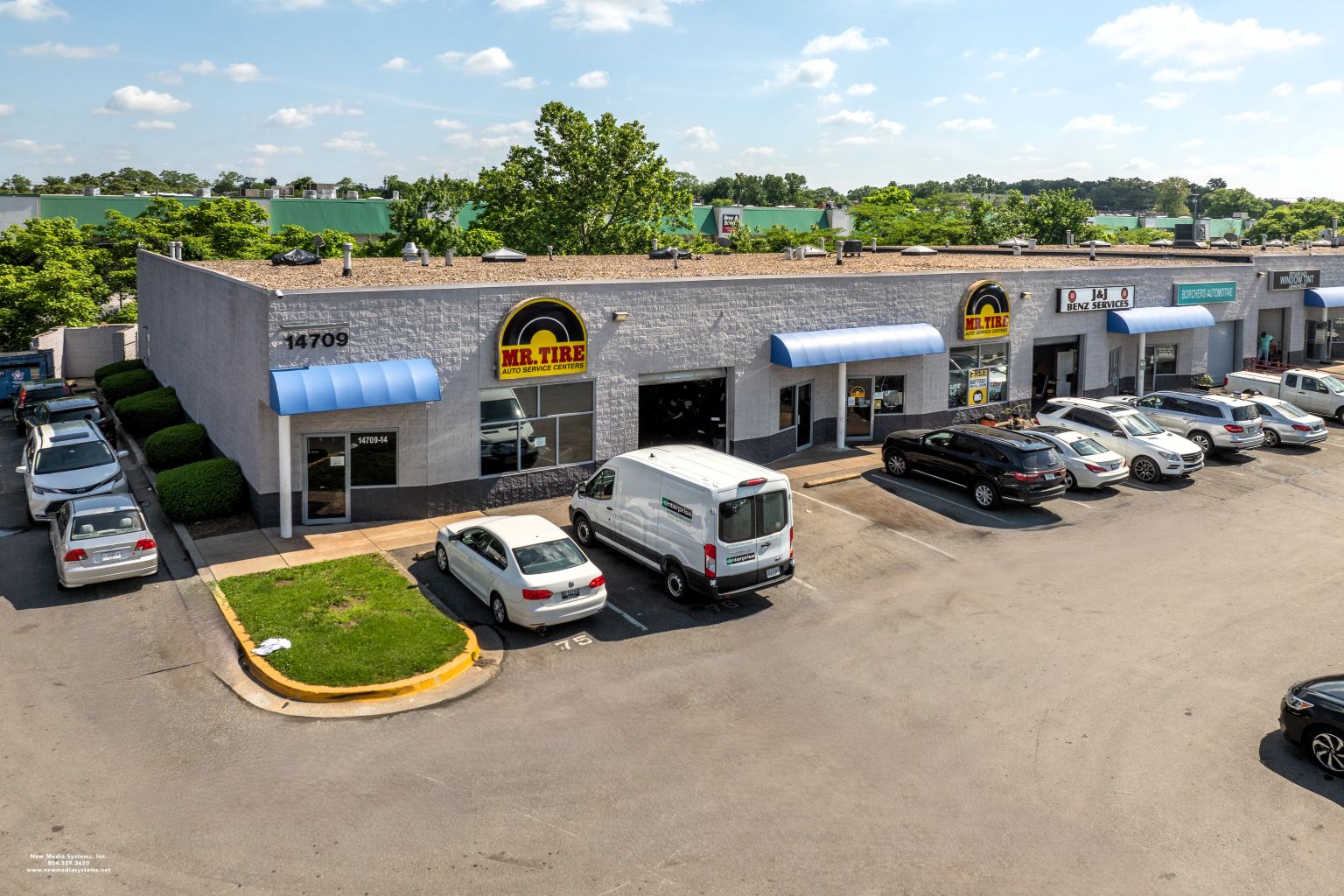
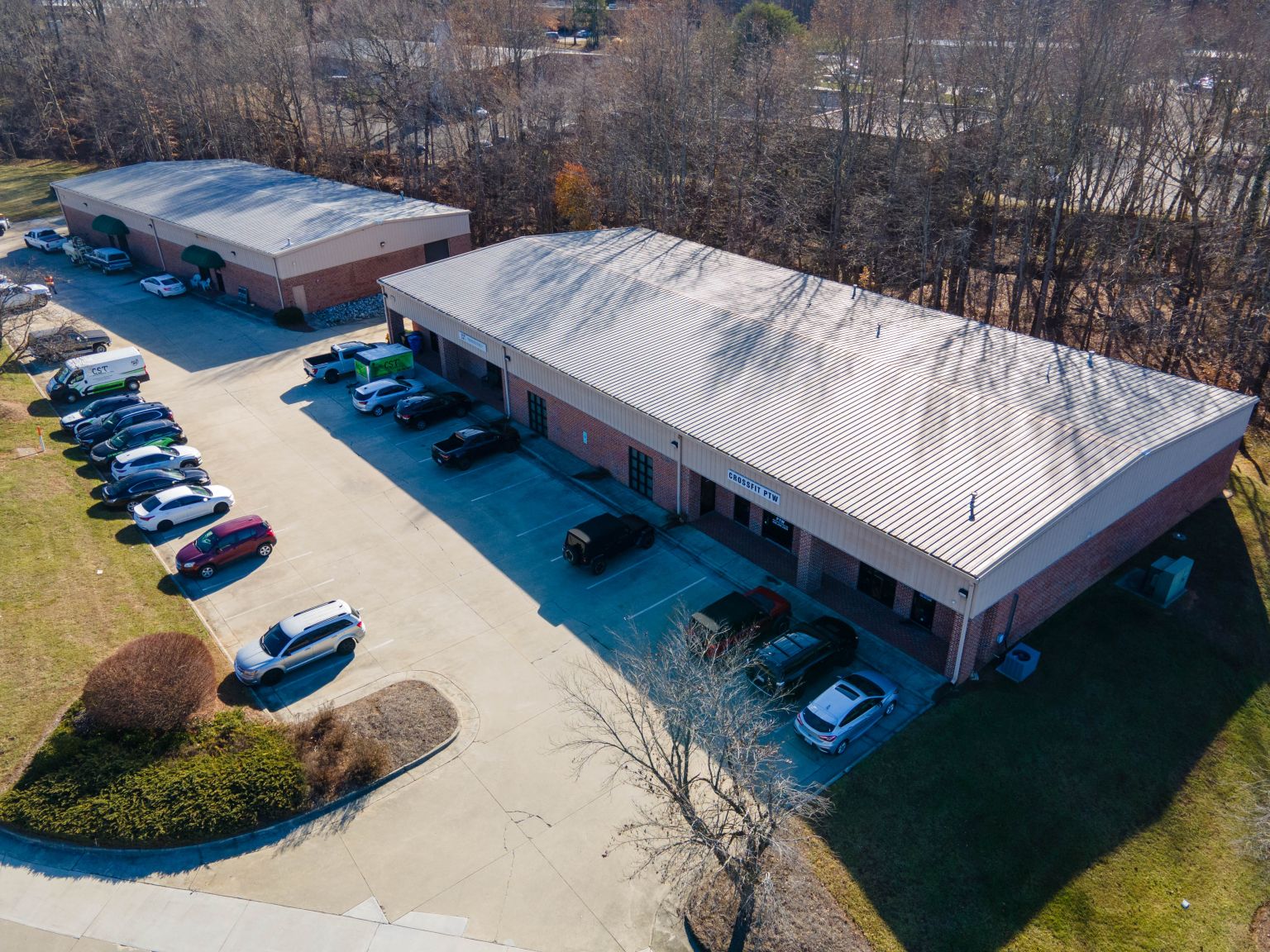
Before the pandemic, when people heard of commercial real estate (CRE), they envisioned large office towers and mixed-use developments in urban centers. If you asked the same question today, you would hear a very different response: suburban mixed-use office parks transformed into small business centers. Demographic shifts driven by two primary factors are reshaping demand across suburban commercial hubs. We believe these shifts are not passing trends but instead long-term structural drivers. They are creating both challenges and opportunities for CRE investors who are looking to align portfolios with evolving community needs.
The Suburban Renaissance
Before the pandemic, suburban migration was already set in motion, driven by people searching for more space, affordability, and quality of life. The pandemic, however, accelerated the trend. From 2020 onward, suburban areas experienced significant population increases, while many large cities experienced outmigration. According to U.S. Census Bureau data, markets like Austin, Nashville, Raleigh, and Tampa gained thousands of new residents, while New York, Los Angeles, and San Francisco recorded losses.
Suburban migration has had a direct impact on smaller municipalities as well as CRE, including:
- Retail demand follows rooftops: As suburban communities expand, demand for grocery-anchored retail centers and service-based retail like gyms, urgent care and pet care rises. Retailers are moving closer to where consumers live.
- Office parks transform: Hybrid work centers have reduced the need for centralized large-scale downtown office space. Employers are seeking smaller, flexible spaces located near residential areas, so their employees are closer to where they live.
- Industrial growth accelerates: With e-commerce continuing to expand, the demand for last-mile logistics facilities near growing suburban populations is accelerating. Closer proximity to consumers reduces delivery times and costs and has become essential in supply chain optimization.
The Aging Population
By 2030, all baby boomers will be 65 or older, with one in five Americans reaching retirement age by then. Many of these individuals are staying in or moving to suburban areas where they already own homes and are within proximity to family.
For suburban CRE, this translates into new demand drivers:
- Increase in healthcare real estate: An aging population requires better healthcare infrastructure. Suburban hubs are seeing rising demand for medical office buildings, outpatient clinics, and specialized care centers.
- Lifestyle-focused retail: Seniors today are different than the grandparents many of us remember. They are active and engaged in their communities, enjoying convenient access to dining and entertainment.
- Housing and mixed-use opportunities: Independent living and senior-friendly housing are increasingly being integrated into suburban mixed-use developments. This creates demand for nearby retail and healthcare assets.
How Investors are Adjusting Their Strategies
The suburbs are no longer sleepy areas. They have emerged into commercial hubs where residents of all ages live, work, shop, and receive care. For investors, this transformation translates into opportunity across multiple CRE categories, including retail, medical office space, suburban office parks, and logistics facilities.
At Lucern Capital Partners, we focus on several key factors when evaluating new CRE investment opportunities that reflect today’s demographic realities:
- Migration data: Where are people moving, and at what pace? Census data, U-Haul migration trends, and job growth statistics provide a glimpse into future demand.
- Tenant mix: Retail centers anchored by essential services like grocery, pharmacy, and healthcare tend to outperform in suburban growth markets.
- Accessibility: While suburban hubs thrive on proximity, transportation infrastructure, including highways, transit, and airports, remains a critical driver of commercial viability.
- Flexibility: Assets that can adapt to evolving community needs (e.g., converting vacant big-box retail into healthcare or logistics space) offer downside protection.
Looking Ahead
Demographic shifts are playing an integral role in reshaping CRE. Migration is redistributing populations to suburban communities across the U.S., while aging is driving new forms of demand within those same communities. Together, these shifts are redefining what commercial real estate looks like.
For investors, the challenge (and the opportunity) is to anticipate where and how these dynamics will play out locally. At Lucern Capital Partners, our approach emphasizes data-driven market analysis, hands-on asset management, and a focus on assets aligned with community needs. We believe that suburban commercial hubs are poised to benefit from long-term demographic tailwinds, and we continue to identify opportunities where these shifts translate into long-term cash flow and value creation.