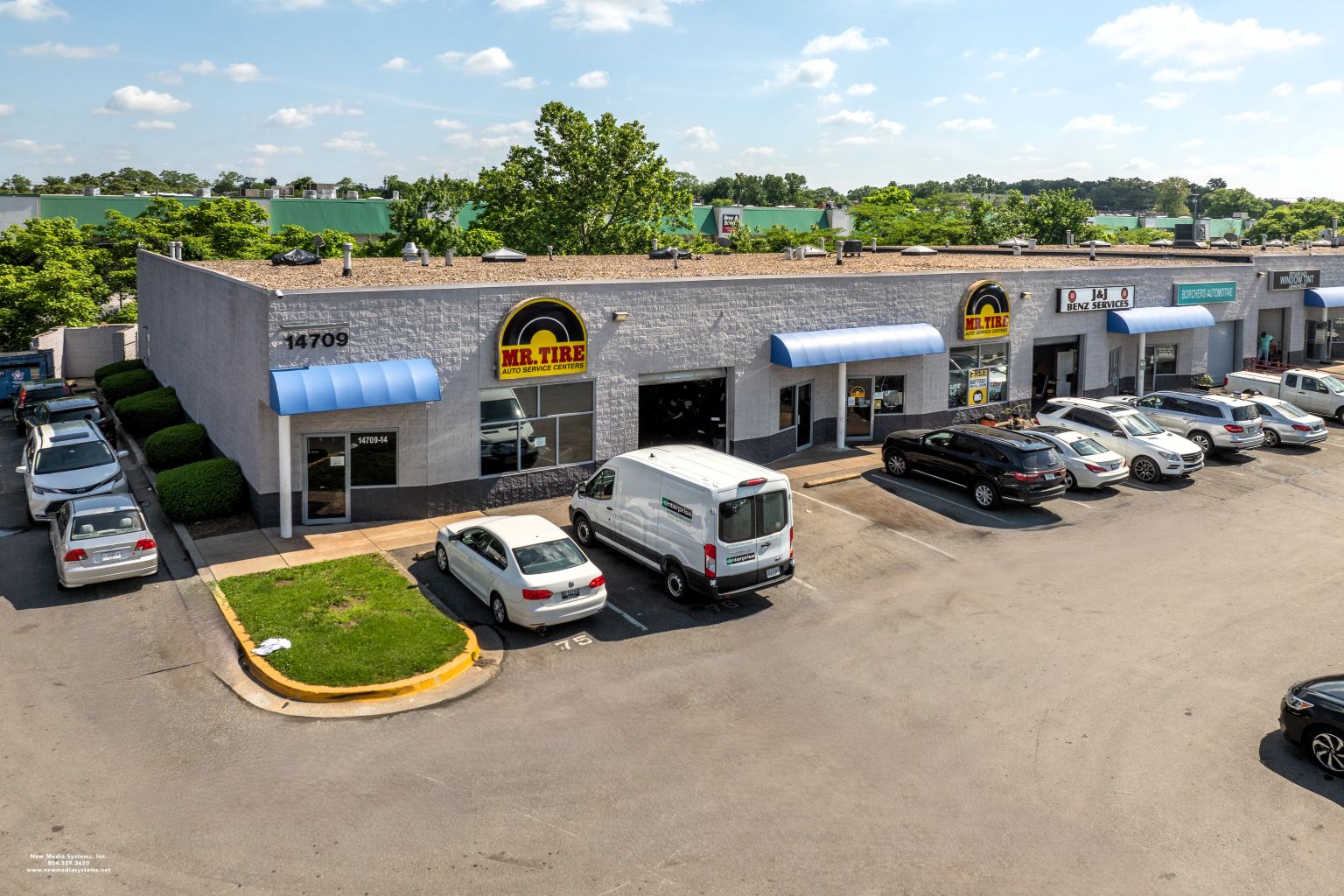
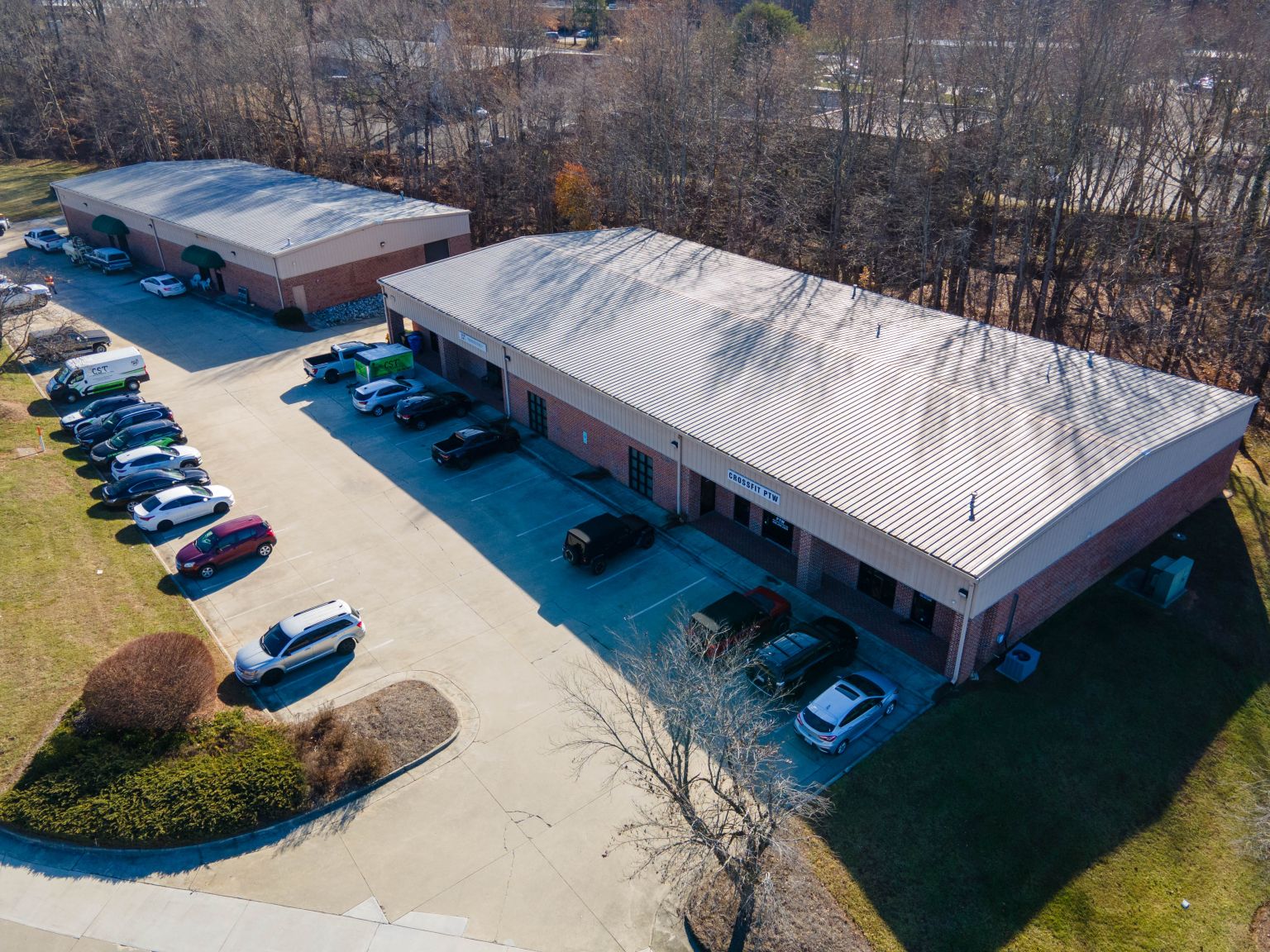
If you spend enough time around small-bay industrial real estate, one thing becomes clear pretty quickly. Two tenants can occupy buildings that look almost identical from the outside and need completely different things from the real estate.
That is especially true for collision repair. On paper, a collision repair shop may look like a fairly straightforward industrial use. The business needs bays, parking and good access. But spend a little more time looking at how these businesses actually operate, and the real estate requirements become much more nuanced.
For investors, those details matter. A property that works well for one industrial user may be a poor fit for another, even if the square footage looks right. So, what makes a good collision repair location?
Start With How Cars Move Through the Property
Location is always important in real estate, but for collision repair, access is especially important. Customers need to be able to get damaged vehicles into the property without much difficulty. Tow trucks need room to enter, maneuver and unload. Once vehicles are on-site, employees need to move them between parking areas and repair bays throughout the day.
That means a property can be located on a great commercial corridor and still present problems if the entrance is tight, the parking lot is difficult to navigate or there simply isn’t enough room to move vehicles around. When we look at a potential collision repair location, we aren’t just asking, “Is it easy to get here?” We’re also asking, “What happens once you arrive?”
Parking is another good example of why understanding the tenant’s business matters. A typical small-bay tenant may need spaces for employees, a few customers and company vehicles. A collision repair shop could have dozens of vehicles at different stages of the repair process.
Some are waiting for estimates. Others are waiting for parts. Some are actively being repaired. Others are finished and waiting for customers to pick them up. And all of those vehicles have to go somewhere. Suddenly, the amount of usable outdoor space becomes a major part of the real estate equation.
A building might have the right number of bays and the right amount of square footage, but if the site can’t comfortably and securely accommodate those vehicles, the property may not work for the operator.
The Inside Has to Work, Too
Once you move inside the building, the same thought process applies. Collision repair isn’t one activity. A vehicle moves through a series of steps, which can include estimating, disassembly, body work, painting, reassembly and inspection. The easier it is to move vehicles through those stages, the more efficiently the shop can operate. That puts greater importance on features such as bay depth, drive-in doors, column spacing and overall layout.
Then there is the specialized equipment. Paint booths, lifts, compressors, welding equipment and ventilation systems all come with their own space and infrastructure requirements. Electrical capacity can also become increasingly important as shops invest in new equipment and prepare to service more electric vehicles. None of these considerations is particularly complicated on its own. The challenge is that they all need to work together.
The Right Space Can Be Hard to Leave
There is another reason we pay close attention to these requirements. Once a collision repair operator finds a property that works, it can invest a meaningful amount of time and capital into the space. Paint booths, ventilation, lifts, compressed air systems and other improvements aren’t things a tenant can simply pack into a truck and move overnight.
Of course, specialized improvements alone don’t guarantee that a tenant will stay. The location still has to support the business, and the operator still has to perform. But when the location, building and business all work well together, moving can become a much bigger decision. That can be an attractive characteristic from an ownership perspective.
It’s About Understanding the Business Behind the Lease
At Lucern Capital Partners, we invest in small-bay, light industrial and retail properties along the East Coast. One of the things we find most interesting about these properties is the variety of businesses that occupy them.
Collision repair is just one example. What looks like a fairly standard industrial building from the road may have specific characteristics that make it valuable to the business operating inside. Understanding those characteristics helps us think more deeply about tenant demand, property functionality and the long-term fit between a business and its real estate.
This is the first article in our Inside Small-Bay Industrial series, where we’ll take a closer look at the different businesses that call these properties home and what makes a space work for them. Next up, we’ll explore service-based businesses such as HVAC companies, where the real estate needs look quite different from collision repair, but are no less important to how the business operates.