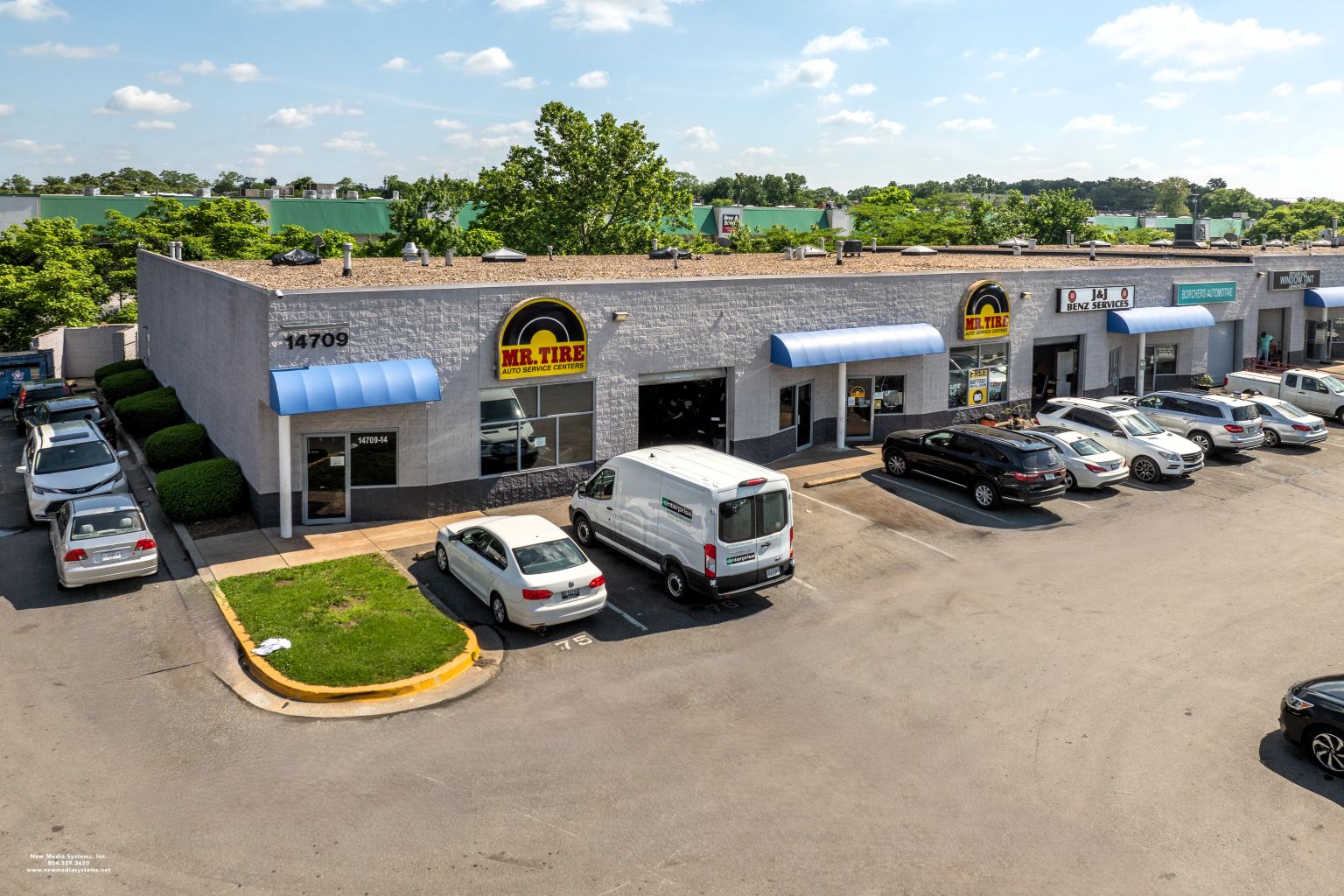
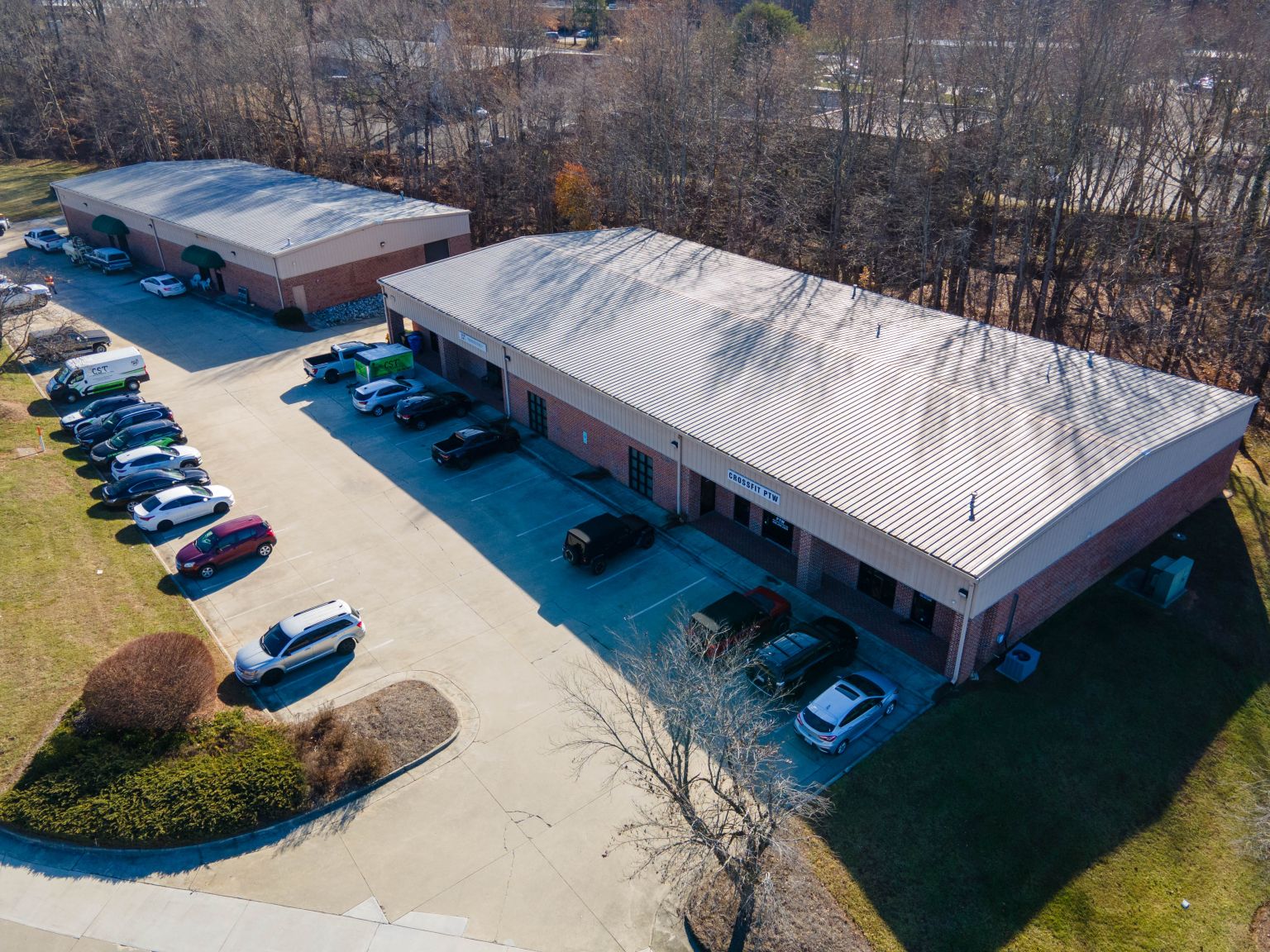
Small-bay industrial has become one of the most sought after segments within commercial real estate. Investors are drawn to the asset class for its strong demand fundamentals, tenant diversification, and perceived simplicity. At a high level, the investment thesis appears straightforward: acquire smaller industrial spaces, lease them to local businesses, and generate stable cash flow. However, the reality is more nuanced.
Small-bay industrial is an operationally intensive asset class that is often misunderstood by investors entering the space for the first time. Unlike larger industrial assets characterized by longer lease terms and limited tenant interaction, small-bay properties require active management, leasing discipline, and a detailed understanding of local market dynamics. Investors who underestimate these demands can leave meaningful value on the table or introduce avoidable downside risk.
While the opportunity is compelling, outcomes in small-bay industrial are typically driven by execution rather than acquisition alone. The following are five common mistakes investors make when entering the asset class and where disciplined operators are able to differentiate themselves.
1 | Treating It Like Traditional Industrial
One of the most common mistakes investors make is assuming small-bay industrial behaves like traditional single-tenant or big-box industrial assets.
In larger industrial properties, owners may manage one or two tenants with long-term leases and relatively predictable operational requirements. Small-bay industrial operates differently. Properties typically contain multiple tenants with varying lease expirations, business models, and space requirements, creating higher leasing velocity, more frequent turnover, and increased day-to-day management responsibilities.
Additionally, the tenant base itself is more diverse. Small-bay properties often serve contractors, service businesses, local distributors, light manufacturers, and retail operators, all with unique operational needs. Owners who approach the asset class with a passive ownership mindset may struggle to keep occupancy rates high and rents aligned with market conditions.
2 | Underestimating Asset Management
Another common misconception is that value creation occurs primarily at acquisition.
In reality, much of the performance in small-bay industrial is driven by ongoing asset management execution. Acquiring a property at an attractive basis is important, but operational discipline throughout the hold period often determines overall investment outcomes. Effective management includes:
- Proactive lease administration
- Responsive tenant communication
- Consistent rent collection processes
- Active vacancy management
- Strategic renewals and rent adjustments
Without a focused management strategy, owners may miss opportunities to improve occupancy, increase rents, or retain tenants.
Retail-oriented and service-based tenants within multi-tenant industrial environments also tend to expect higher responsiveness and stronger property presentation standards than traditional industrial users. Operational oversight therefore becomes even more important in maintaining tenant satisfaction and long-term occupancy stability.
3 | Mispricing Rents and Demand
Many owners rely too heavily on broker-provided market comps when underwriting small-bay industrial assets. While comparable lease data can provide a useful benchmark, it rarely captures the full complexity of local demand drivers within this asset class. Small-bay industrial performance is highly dependent on micro-market dynamics, tenant behavior, accessibility, and functionality.
Even within the same submarket, two properties can command materially different rents based on:
- Proximity to population centers
- Visibility and access
- Loading configurations
- Parking availability
- Outdoor storage capabilities
- Unit size mix
Tenant willingness to pay is also frequently underestimated. Many small-bay tenants prioritize functionality and location over achieving the absolute lowest occupancy cost. Businesses serving local customers often value proximity and operational convenience more than marginal rent savings. As a result, investors who rely solely on generalized market averages may underprice available space and suppress NOI growth potential.
4 | Ignoring Hidden Revenue Opportunities
Another mistake owners make is focusing solely on base rental income while overlooking ancillary revenue opportunities embedded within the asset. In small-bay industrial, value often exists outside the four walls of the building. Additional income opportunities may include:
- Outdoor storage
- Utility reimbursements
- CAM optimization
- Signage revenue
- Trailer or vehicle parking
- Flexible storage areas
- Alternative energy sources (i.e., solar)
For example, underutilized excess land can sometimes be cleared and repositioned as outdoor storage space, creating incremental NOI with relatively limited capital investment as was the case with our Crosslake Business Park investment. We believe one of the biggest contributors to Crosslake’s outsized performance was the leasing of an unused portion of land that we cleared and graveled so that it could be leased as outdoor storage, resulting in an additional $3,000 monthly income and a $500,000 increase in property value.
Similarly, reviewing lease structures and expense allocations may reveal opportunities to improve reimbursement recovery and reduce operational leakage over time. Owners who view the property holistically rather than simply as leasable square footage are often better positioned to unlock additional yield. In many cases, the strongest value-add opportunities are not immediately visible during acquisition underwriting.
5 | Overlooking the Reality of Deal Sourcing
Many owners investing in small-bay industrial assets expect to source opportunities primarily through marketed listings and competitive broker processes. However, the most attractive opportunities are often relationship-driven and sourced off-market.
Small-bay industrial ownership remains highly fragmented in many markets, with properties frequently held by local families, private operators, or long-term owners. As a result, many institutional-quality opportunities never reach broad marketing channels. Investors relying solely on widely marketed deals often encounter higher pricing pressure and more competition, compressing return potential
By contrast, owners and operators with established local relationships, market presence, and direct sourcing capabilities are often better positioned to access opportunities before they become broadly competitive. In a highly fragmented asset class, sourcing strategy can become a meaningful competitive advantage.
Conclusion
Small-bay industrial continues to offer compelling investment opportunities driven by strong tenant demand, operational flexibility, and supply constraints. However, the asset class is far more nuanced than many investors initially assume.
Investors who treat small-bay industrial as a simple extension of traditional industrial often underperform expectations. Those who understand the operational complexity of the asset class, and lean into execution, are typically better positioned to unlock long-term value and durable cash flow.